
Let’s cut to the chase: trying to sand and varnish laminate flooring is like trying to teach an old dog new tricks—it’s not going to end well. I’ve seen homeowners roll up their sleeves, thinking they can turn their worn-out laminate into something that looks straight out of a showroom, only to end up peeling through the top layer and exposing the soggy core underneath.
Here’s the deal: laminate is a layered product. The top layer is a thin, protective coating over a photographic image of wood or stone—not real wood. Beneath that is the core, made of fiberboard or HDF. Sanding doesn’t just fail to restore it—it ruins it. You’d be sanding away the illusion of wood and hitting the soft core, leaving a floor that looks worse than when you started.
Varnish? Forget about it. Laminate is non-porous, so any varnish or polyurethane you slather on will sit on the surface like oil on water, eventually peeling or chipping. You might get a shiny patch here or there, but overall, it’s a gamble that rarely pays off.
If your laminate is scratched, faded, or just looking tired, don’t throw caution to the wind. There are safer ways to bring it back to life: specialized laminate cleaners, polish, scratch-removing markers, or professional restoration products. Sometimes, a little TLC goes a long way—better than trying to reinvent the wheel and ending up with a floor you can’t live with.
Why Laminate Flooring Can’t Be Sanded
Here’s the bottom line: laminate flooring and hardwood are as different as chalk and cheese. Hardwood is solid wood all the way through, which is why sanding it down and applying a fresh coat of varnish can make it look brand new, time and time again. Laminate, on the other hand, is a layered sandwich. The top layer—the wear layer—is ultra-thin, usually less than a millimeter. Underneath that sits the decorative layer, a photographic image of wood or stone, and then the core, made of high-density fiberboard.
Sanding laminate is like trying to peel the skin off an apple without touching the fruit underneath—it’s nearly impossible to do without causing damage. Go too deep, and you’re through the protective layer, exposing the core to moisture, scratches, and general mayhem. Even light sanding risks leaving unsightly scratches or uneven surfaces, turning your floor into a patchwork nightmare rather than a polished showpiece.
In short, laminate was designed to be low-maintenance, not refinished. It’s built to take everyday wear and tear with minimal fuss, but it’s not a DIY candidate for sanding. Trying to force it is a classic case of biting off more than you can chew.
Why Varnishing Laminate Usually Fails
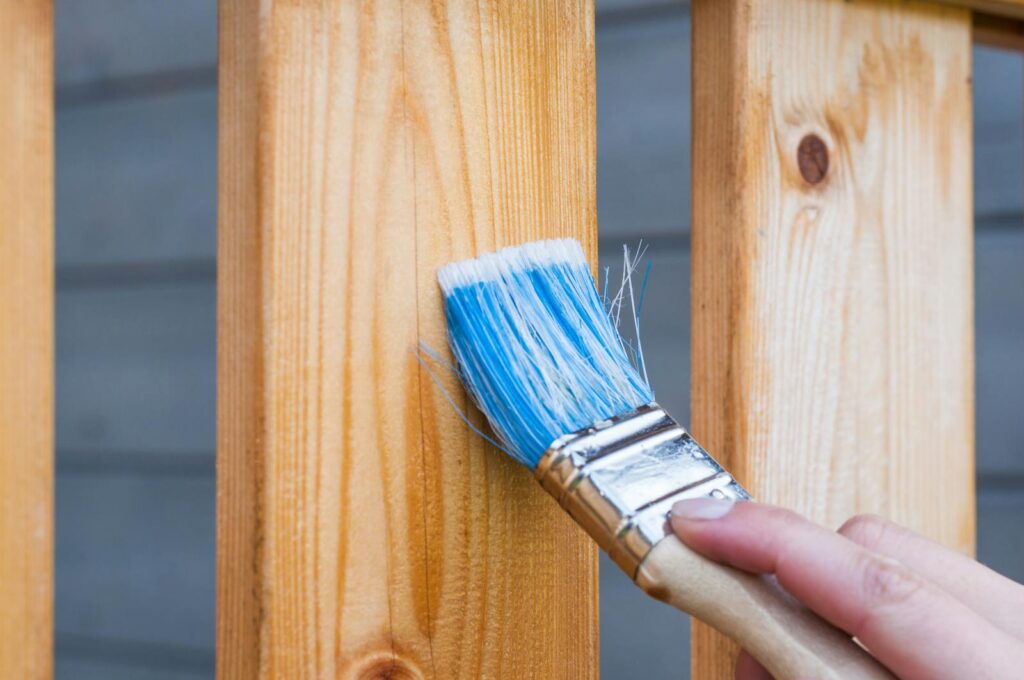
If you’re thinking, “Well, maybe I can skip sanding and just slap some varnish on it,” hold your horses. I’ve been there, seen it, and the results are usually a train wreck. Laminate flooring isn’t wood—it’s a non-porous surface. That means traditional varnishes or polyurethane have nothing to sink their teeth into. They’ll just sit on top like a stubborn sticker, eventually peeling, chipping, or bubbling up underfoot.
Even if you’re careful, the finish rarely looks uniform. Some spots might shine while others look dull, and before you know it, you’ve got a patchy, uneven mess that draws more attention than the scratches you were trying to hide. Laminates aren’t made to bond with varnish; they’re made to withstand life’s bumps and spills without you having to reach for a brush.
So, if your goal is a glossy, “brand-new” look, varnishing laminate is usually a wild goose chase. Instead, specialized laminate polishes or restoration products are your best bet. They’re designed to cling to the surface, mask minor scratches, and give your floor a fresh shine without turning your DIY project into a full-blown disaster.
Signs Your Laminate Needs Attention
Even the toughest laminate floors aren’t completely immune to wear and tear. I like to tell homeowners that laminate is like a workhorse—it can take a beating, but it still shows signs when it’s had a long day. Knowing what to look for can save you from bigger headaches down the road.
Scratches are the most obvious culprit. A few scuffs here and there are normal, but deep gouges or long scratches in high-traffic areas are a clear sign your floor could use some TLC. Fading is another clue—if your once-vibrant floor now looks dull and lifeless, it’s time to consider cleaning, polishing, or protective solutions.
Check the edges, too. If planks are lifting, separating, or showing signs of swelling from moisture, that’s a red flag that goes beyond cosmetic damage. These aren’t things you can varnish away. In short, if your laminate is showing scratches, fading, or damage at the seams, it’s waving a little red flag that some maintenance—or even replacement—is in order.
Safe Alternatives to Sanding and Varnishing
If sanding and varnishing are off the table, don’t throw in the towel just yet. There are plenty of ways to bring your laminate back to life without turning it into a DIY disaster. I’ve tried a handful of methods over the years, and here’s what actually works.
Laminate polish and cleaners: These are designed to cling to the surface, adding shine while filling in minor scratches. Think of it as giving your floor a spa day—it won’t rebuild it from the ground up, but it’ll make it look a lot fresher.
Scratch-removing products: Wax sticks, repair kits, or colored markers made specifically for laminate can disguise blemishes. Match the color carefully, and you can make scratches virtually disappear. I like to say it’s like putting a Band-Aid on a scrape—temporary, but effective.
Professional restoration: Some companies specialize in laminate restoration. They can clean, polish, and even apply protective coatings that last longer than what you can do at home. It’s a bit of an investment, but it beats having a patchy floor that looks worse than before.
Deep cleaning and buffing: Sometimes, all a laminate floor needs is a good scrub and buff. Dirt, dust, and grime can make even new laminate look dull. A thorough clean followed by a buff with a microfiber mop can bring back a surprising amount of shine.
At the end of the day, it’s about working with the laminate, not against it. A little TLC in the right direction goes a long way, and you avoid making a mess that even a sledgehammer couldn’t fix.
When Replacement is the Best Option
Sometimes, no matter how much elbow grease you put in, laminate flooring reaches the end of the line. I like to tell homeowners, “Know when to fold ’em.” If your floor has deep scratches, water damage, bubbling, or faded beyond repair, trying to patch it up is like putting a band-aid on a broken bone—it won’t cut it.
Replacement becomes the most practical and cost-effective solution. High-traffic areas, old planks, or laminate that’s simply out of style can be swapped out for new flooring that not only looks fresh but also lasts longer. Modern laminates are tougher than ever, with thicker wear layers, better water resistance, and more realistic wood textures.
When you weigh the cost of constant touch-ups versus investing in a new floor, you often find that starting from scratch is the smarter play. And let’s be honest—walking on a brand-new laminate that shines and feels solid underfoot is worth its weight in gold.
Tips for Maintaining Laminate Longevity
Once you’ve got your laminate looking its best—or installed a fresh floor—it’s all about keeping it that way. I like to tell people, “A stitch in time saves nine,” and with laminate, a little preventive care goes a long way.
Regular cleaning: Dirt, dust, and grit act like sandpaper on laminate. Sweep, vacuum, or use a microfiber mop regularly to keep the surface smooth and scratch-free. Avoid wet mopping; excess water can seep into the seams and cause swelling.
Protective measures: Furniture pads under chairs and tables, area rugs in high-traffic zones, and careful handling of heavy objects can prevent dents and scratches. Think of it as giving your floor a soft landing every time life steps on it.
Immediate attention to spills: Water and laminate are not friends. Wipe spills immediately to prevent warping or bubbling. Even liquids that seem harmless, like juice or coffee, can leave stains or damage the core over time.
Avoid harsh cleaners: Abrasive scrubbers or strong chemicals can eat away at the protective wear layer. Stick to products labeled for laminate care, and your floor will thank you.
With these simple habits, your laminate can stay looking sharp for years. A little care now keeps you from pulling your hair out later. Remember, laminate may not be hardwood, but with the right TLC, it can shine like new for a long time.