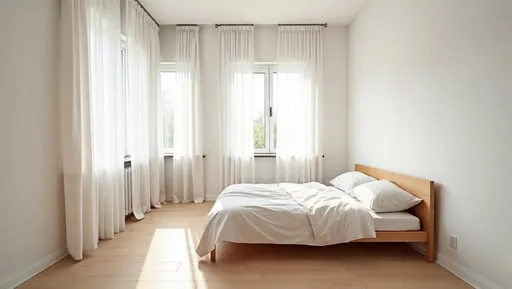
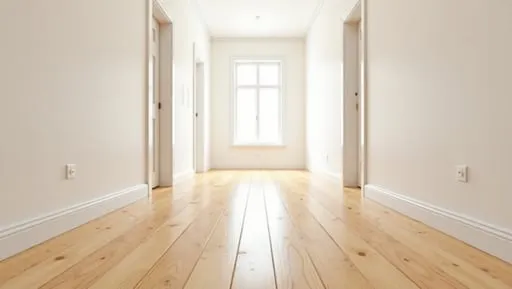
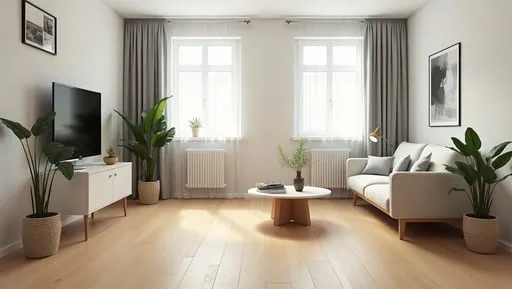
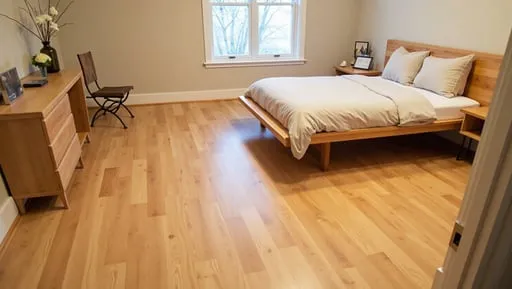
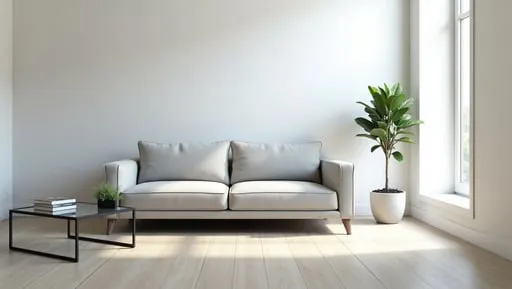
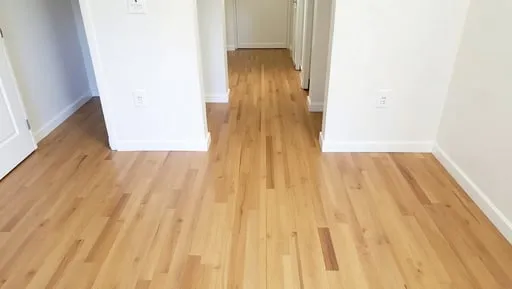
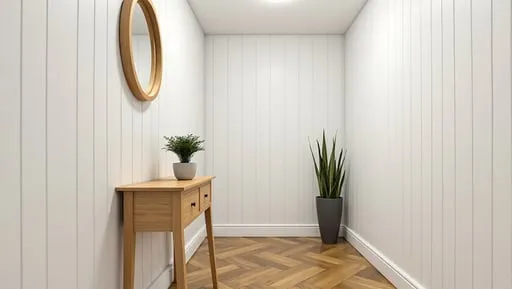
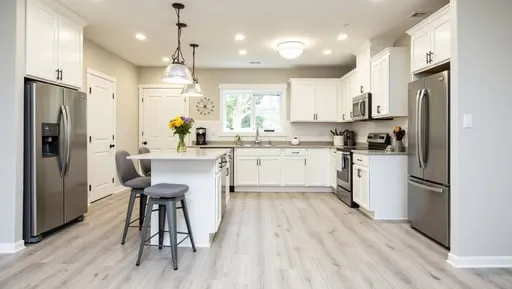
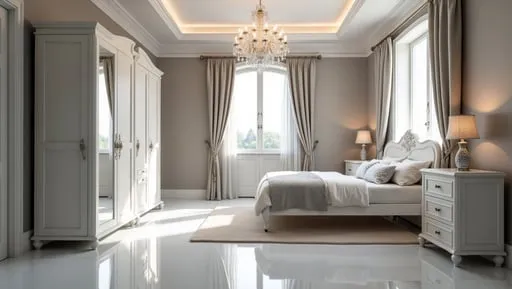
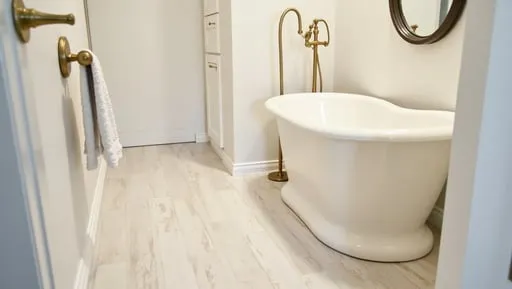
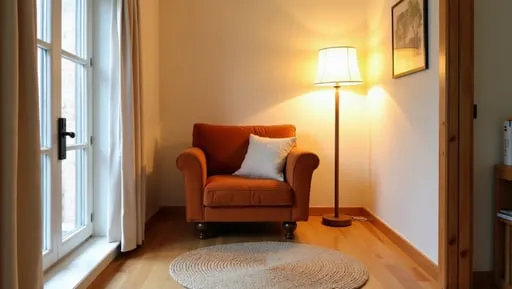
Light-colored laminate also works beautifully in open plan layouts, where consistency across zones creates a seamless flow. If you are planning a small space renovation, consider pairing light laminate floors with white or off-white walls and light-toned furniture to maximize the brightness effect. Scandinavian-style interiors, coastal decor, and modern minimalist rooms all make excellent use of this approach.
Some popular light laminate options to explore include natural oak, whitewashed ash, light maple, and pale birch finishes. These are widely available at various price points and tend to complement a broad range of furniture styles — from sleek IKEA-style modular pieces to vintage rattan and linen upholstery.
One practical note: light floors do show dust and pet hair more visibly than darker tones, so they may require more frequent sweeping. However, for the visual payoff in a small space, most homeowners find the minor upkeep worthwhile.
2. Narrow Planks Laid Lengthwise to Elongate the Space
The direction you lay your laminate planks is just as important as the color you choose — and in a small room, this decision can dramatically alter the perceived dimensions of the space. Laying narrow planks lengthwise, running parallel to the longest wall, creates a visual corridor that pulls the eye forward and makes the room feel longer and more spacious.
This technique works especially well in narrow rooms like hallways, galley kitchens, small bedrooms, and rectangular living rooms. When your gaze travels along the length of the planks, your brain registers greater depth, making the room feel more expansive than it actually is.
Narrow planks — typically around 3 to 4 inches wide — amplify this elongating effect even further. The more lines you have running in the same direction, the stronger the visual cue for length. Compare this to wider planks, which tend to make spaces feel wider rather than longer (useful in a different context, but not ideal for a narrow corridor).
When installing narrow planks in a small bedroom or living room, start at the wall furthest from the main doorway and work toward it. This ensures the cut row (the last partial plank) is either hidden under the door trim or at the least-visible edge of the room.
If your small space is more square than rectangular, diagonal installation (covered in a later idea) may serve you better. But for rectangular rooms, running narrow planks along the length is a tried-and-true design strategy that professional installers recommend constantly.
3. Diagonal Installation for Maximum Visual Impact
If you want to make a truly striking statement in a small space while also maximizing the sense of openness, diagonal laminate installation is one of the most effective tricks in the design playbook. Rather than laying planks parallel to the walls, diagonal installation runs the boards at a 45-degree angle to the room’s perimeter — and the effect on perceived space is remarkable.
Diagonal installation works by drawing the eye across the widest dimension of the room — the diagonal — which is always longer than either the length or the width. This naturally makes the space feel larger. It also breaks up the boxy, predictable feel of a small room and adds a sense of movement and energy to what might otherwise be a static environment.
This technique works beautifully in small living rooms, studio apartments, and square-shaped rooms where a standard directional layout might feel uninspiring. It also works extremely well in open plan spaces where you want the floor to visually unite different zones.
The trade-off with diagonal installation is waste. Because planks are cut at angles at every wall, you will typically need 10–15% more material than with a standard installation. Factor this into your budget when planning. You should also note that diagonal installation requires more precision and skill, so if you are hiring a contractor, confirm they have experience with angled layouts.
Pair diagonal installation with a medium-toned, uniform-grained laminate for the cleanest look. Heavily varied grain patterns can look busy when installed diagonally, so a more consistent plank appearance tends to work best.
4. Wide Plank Laminate for a More Open, Relaxed Feel
While narrow planks are excellent for elongating small spaces, wide plank laminate has its own set of advantages that make it a compelling choice for certain small room scenarios. Wide planks — typically 5 inches and above — have fewer seams across the floor surface, which creates a cleaner, less visually busy appearance. In a small room, fewer visual interruptions can translate to a calmer, more expansive feeling.
Wide plank laminate works especially well in small rooms with low ceilings. The broad, uninterrupted surface of each plank gives the eye room to rest without jumping across dozens of thin joints. This creates a sense of horizontal expanse that counters the oppressive feeling of a low ceiling.
Wide planks also tend to look more like real hardwood, which adds a premium, high-end quality to small spaces. A compact bedroom or reading nook with wide plank laminate in a warm, natural oak tone can feel cozy and luxurious rather than tiny and cramped. The key is to choose a wide plank with subtle grain variation — enough texture to look authentic, but not so much variation that it fragments the visual flow.
If you are interested in wide plank options, you may also want to explore our guide to wide plank laminate flooring ideas for more inspiration on how to use this style throughout different room types.
Wide plank laminate is available in both glue-down and click-lock formats. For small DIY projects, click-lock wide plank laminate is the easiest to install and most forgiving for beginners.
5. Grey Laminate for a Modern, Spacious Aesthetic
Grey laminate flooring has surged in popularity over the past decade, and for good reason — especially in small spaces. Grey tones strike a perfect balance between light and dark. They are bright enough to reflect light and create an open feeling, but neutral enough to anchor a room without feeling stark or cold.
In small rooms, grey laminate works particularly well when paired with white walls and clean-lined furniture. The cool, understated palette prevents the space from feeling overstuffed or busy, which is a common pitfall in compact interiors. Grey flooring also pairs effortlessly with a wide range of furniture styles — mid-century modern, industrial, Scandinavian, contemporary — making it a versatile choice if your decor preferences may evolve over time.
Light grey laminate with subtle wood grain texture is especially effective in small spaces. It reads as a wood floor but in a muted, contemporary color that works with both cool and warm accent tones. Pair it with charcoal accents and white walls for a sleek urban look, or with warm caramel and cream tones for a softer, more livable feel.
For more ideas on how to incorporate this popular color choice into different rooms, check out our detailed guide on grey laminate flooring ideas.
One consideration with grey laminate in small spaces: avoid very dark greys, which can absorb light and make a room feel smaller. Stick to light to medium grey tones for maximum spatial benefit. Also, grey flooring with a matte finish tends to look more sophisticated and hide scratches better than high-gloss grey options.
6. Consistent Flooring Across Multiple Small Rooms to Create Flow
One of the most powerful strategies for making a small home feel larger is using the same laminate flooring throughout multiple rooms without interruption. When a single floor material flows continuously from one room to the next — without threshold strips, color changes, or texture breaks — the eye perceives the entire connected area as one larger space rather than a series of small, separate ones.
This approach is especially effective in small apartments, starter homes, and compact floor plans where individual rooms are already limited in size. By removing the visual interruption of different floor materials at doorways, you create a seamless visual landscape that reads as generous and cohesive.
For this to work well, choose a neutral, timeless laminate color that complements every room it passes through. Light oak, warm beige, and pale grey are all excellent choices because they work with a variety of furniture colors and wall paint tones. Avoid loud patterns or very specific tones that may clash with the decor in one of the rooms.
In open plan living areas, this technique is particularly effective — and you can read more about specific layout strategies in our guide to open plan laminate flooring ideas. The principle of continuity applies equally to closed-plan small homes, though — even running the same laminate from a small living room into a narrow hallway dramatically opens up both spaces.
When installing laminate across multiple rooms, plan your plank direction carefully. Running planks in the same direction throughout creates the strongest sense of continuity. If rooms are oriented differently, keep the plank direction consistent with the longest axis of the home to maximize the elongating effect.
7. Herringbone Laminate for Sophisticated Small Space Style
Herringbone laminate is a bold choice for small spaces, but when executed well, it delivers a sense of artistry and depth that few other flooring patterns can match. The classic V-shaped zigzag pattern creates an optical illusion of movement and dimension, making a flat floor appear more dynamic and spacious than it actually is.
In small rooms, herringbone laminate works especially well in entryways, small dining rooms, home offices, and compact bedrooms. The pattern draws the eye inward and downward, adding depth to the floor plane and distracting from the limited square footage. When laid in a light color — white oak, pale beige, or light grey — herringbone feels airy and Parisian; in darker tones, it leans more dramatic and moody.
One important consideration for herringbone in small spaces: the scale of the individual planks matters. Smaller, narrower planks create a more intricate, traditional herringbone that suits compact rooms better than oversized planks, which can look out of proportion. Look for herringbone laminate tiles or planks in the 2.5- to 4-inch width range for best results in tight spaces.
Herringbone laminate is available in click-lock formats that make DIY installation more accessible than traditional hardwood herringbone. It does require more careful measurement and planning than standard straight-lay installation, but the visual payoff is substantial. You can learn more about this style in our comprehensive guide to herringbone laminate flooring ideas.
Pair herringbone laminate with simple, uncluttered furniture and minimal wall decor to let the floor be the star of the room. In a small space, one strong design element like a patterned floor is more impactful than multiple competing decorative statements.
8. Waterproof Laminate for Small Kitchens and Bathrooms
Small kitchens and bathrooms present unique flooring challenges — limited floor area combined with frequent exposure to moisture, spills, and humidity. Waterproof laminate flooring is the ideal solution, offering the warm, wood-like aesthetic of traditional laminate with enhanced resistance to water damage.
Modern waterproof laminate (sometimes called water-resistant laminate or featuring technologies like a hydrophobic core) uses a sealed core that prevents moisture from penetrating the board and causing swelling or warping. This makes it suitable for use in kitchens, small bathrooms, laundry rooms, and entryways — spaces that are often compact and prone to wet conditions.
In a small kitchen, waterproof laminate in a light wood tone makes the space feel larger and more connected to adjacent living areas. A consistent floor material running from a small kitchen into a dining nook or living area (possible with waterproof laminate where standard laminate might fail) creates a seamless, open-plan feel even in a confined footprint.
In a small bathroom, waterproof laminate can replicate the look of wood at a fraction of the cost of real hardwood, adding warmth and texture to what is often a cold, tiled environment. Choose a tight, consistent grain pattern for a cleaner look in a small bathroom, and ensure the laminate is rated for high-humidity areas.
Always install waterproof laminate with a moisture barrier underlayment and seal the edges carefully, particularly around sinks, toilets, and bathtubs. Even waterproof laminate benefits from proper installation practices that keep standing water from pooling at joints and edges.
9. High-Gloss Laminate to Reflect Light and Add Depth
High-gloss laminate flooring has a mirror-like surface that reflects light dramatically, bouncing brightness around a small room and creating the illusion of greater depth and height. While matte and satin finishes are popular for their practicality, high-gloss laminate offers unique spatial benefits that are worth considering for small, light-starved spaces.
The reflective surface of high-gloss laminate effectively doubles the visual depth of a room by mirroring objects above it — furniture legs, walls, windows, and light sources all appear to extend downward into the floor, creating a sense of spaciousness that goes beyond what the square footage alone would suggest. In a small living room or bedroom with limited natural light, this effect can be transformative.
High-gloss laminate works best in light to medium tones — white, pale grey, light beige, or blond wood — where the reflective surface amplifies brightness. In very dark tones, high-gloss can look striking but may actually make a space feel smaller by absorbing the room rather than reflecting it outward.
The practical trade-off with high-gloss laminate is maintenance. The shiny surface shows every scratch, scuff, footprint, and dust particle more obviously than matte finishes. In a small space, this can actually feel more manageable — you have less floor area to clean — but households with pets, children, or heavy foot traffic may find the upkeep demanding. High-gloss laminate is best suited to low-traffic rooms like small bedrooms, home offices, or formal dining areas.
Pair high-gloss white or cream laminate with mirrored furniture, glass accents, and metallic fixtures for a glamorous, light-filled small space aesthetic. The combination of reflective surfaces at multiple levels creates a layered brightness that makes even the tiniest room feel luxurious.
10. Stone-Effect Laminate for a Unique Small Space Look
Most people think of wood-effect laminate when they think of laminate flooring, but stone-effect laminate — which mimics the appearance of marble, slate, travertine, or concrete — is a fantastic option for small spaces that want a distinctive, upscale look without the weight, cost, or cold underfoot feel of real stone.
In a small bathroom, a stone-effect laminate in pale marble or soft grey travertine adds a spa-like elegance that feels far more expensive than it is. In a compact kitchen or entryway, a concrete-effect or dark slate laminate creates an industrial-chic vibe that is bold and contemporary. Because stone-effect laminate comes in large-format tiles or planks, it tends to have fewer seams than smaller tile formats, which gives small floors a cleaner, more expansive appearance.
Light stone-effect laminates — particularly those mimicking white marble or pale limestone — are outstanding for small spaces because they combine the light-reflecting benefits of a light color with the grounding visual weight of a stone-like texture. The result is a floor that feels both luxurious and spacious.
Stone-effect laminate is also warmer underfoot than real tile or stone, which is a significant comfort advantage in bedrooms and living areas where you walk barefoot. It is also far easier to cut and install than ceramic or porcelain tile, making it accessible for DIY renovators tackling a small bathroom or kitchen refresh.
When using stone-effect laminate in a small space, keep the walls and fixtures in a complementary neutral palette. A white marble-look floor with white walls and brushed gold fixtures is a classic combination that photographs beautifully and makes even the most compact bathroom feel like a boutique hotel.
11. Warm Toned Laminate to Make a Small Space Feel Cozy, Not Cramped
There is a common misconception that small spaces must always use cool, light tones to feel open. While light colors are indeed effective, warm-toned laminate — honey oak, caramel walnut, amber pine, or toasted chestnut — can be just as successful in small spaces when used with the right complementary decor. The key is to use warmth intentionally, to create coziness and comfort rather than claustrophobia.
Warm laminate tones work especially well in small bedrooms, reading nooks, home offices, and living rooms where the goal is an intimate, welcoming atmosphere rather than a sleek, minimalist openness. A compact bedroom with warm honey oak laminate, cream walls, and natural linen textiles feels like a cozy retreat rather than a cramped room — the warmth of the floor invites relaxation.
The trick to making warm-toned laminate work in a small space is to balance the floor’s warmth with lighter, airier elements elsewhere. White or cream walls, light-colored furniture, and generous natural light prevent a warm floor from making a small room feel dark or heavy. Mirrors, glass-topped tables, and metallic accents also help by bouncing light around the space.
Warm laminate tones pair beautifully with a variety of design styles — Bohemian, rustic, mid-century modern, and farmhouse aesthetics all embrace warm wood tones. If you are decorating a small bedroom or living room in any of these styles, a warm laminate floor gives you an authentic foundation that cool greys and whites simply cannot replicate.
Avoid pairing warm laminate with very dark or saturated wall colors in a small space, as this combination can feel cave-like. Instead, keep walls neutral and let the warmth of the floor anchor the room with richness and character.
Final Thoughts: Choosing the Right Laminate for Your Small Space
Small spaces reward intentional design decisions, and laminate flooring gives you an affordable, durable, and endlessly versatile canvas to work with. The right laminate choice — in terms of color, plank direction, width, finish, and pattern — can genuinely transform the way a compact room feels to live in every day.
To summarize the key principles covered in this guide: light colors and reflective finishes visually expand rooms; consistent flooring across connected spaces eliminates visual barriers; directional plank installation manipulates perceived dimensions; and patterns like herringbone add depth and artistry without requiring extra square footage. Waterproof options open up small wet areas to the warmth of wood-look flooring, while warm tones make intimate spaces feel intentionally cozy rather than accidentally cramped.
If you are still exploring your options, consider how these ideas translate across other flooring types as well. Many of these spatial strategies — particularly around color choice, plank direction, and continuity — apply equally to vinyl, hardwood, and tile. For more on how laminate performs in specific rooms, explore our room-by-room guides for bedroom laminate flooring ideas and kitchen laminate flooring ideas to see how these principles play out in the spaces where you spend the most time.
Whether you are renovating a studio apartment, refreshing a compact starter home, or simply making the most of a small room, laminate flooring is one of the most powerful and practical tools you have — and with these ideas, you now know exactly how to use it.
James Miller is a seasoned flooring contractor with years of hands-on experience transforming homes and businesses with high-quality flooring solutions. As the owner of Flooring Contractors San Diego, James specializes in everything from hardwood and laminate to carpet and vinyl installations. Known for his craftsmanship and attention to detail, he takes pride in helping clients choose the right flooring that balances beauty, durability, and budget. When he’s not on the job, James enjoys sharing his expertise through articles and guides that make flooring projects easier for homeowners.
There is something about a dark floor that changes the entire personality of a room. Walls feel taller. Furniture looks more intentional. The whole space settles into itself with a quiet confidence that lighter floors rarely achieve. For a long time, dark flooring meant dark hardwood, which meant high cost, moisture sensitivity, and years of…
There is a reason hardwood flooring keeps showing up in every bedroom inspiration board you scroll past. It ages gracefully. It grounds a room without competing for attention. It makes soft things — linen bedding, a plush area rug, pale curtains — look even softer by contrast. And unlike carpet, which traps allergens and shows…
Vinyl flooring has completely outgrown its old reputation. What was once considered a budget workaround is now a first-choice material in designer kitchens, open-plan living rooms, and high-end renovations across the country. The reason is simple: today’s luxury vinyl plank (LVP) and luxury vinyl tile (LVT) look genuinely beautiful, perform in places real wood can’t…
Grey laminate flooring has become one of the most popular flooring choices in modern homes — and for good reason. It strikes the perfect balance between warmth and cool neutrality, pairs effortlessly with nearly every interior color palette, and delivers the look of hardwood or stone at a fraction of the cost. Whether you are…
Wide plank laminate flooring has completely changed the way homeowners and designers think about budget-friendly flooring. With planks that typically measure 5 inches or wider — often reaching 7, 8, or even 12 inches across — wide plank laminate creates a sense of space, luxury, and authenticity that narrower floors simply cannot match. The broader…
The living room is where everything in a home converges. It absorbs daily foot traffic, hosts family gatherings, and sets the tone for every other design decision you make. No single element does more to establish that atmosphere than the floor beneath your feet. Hardwood flooring, in particular, carries a warmth and permanence that no…