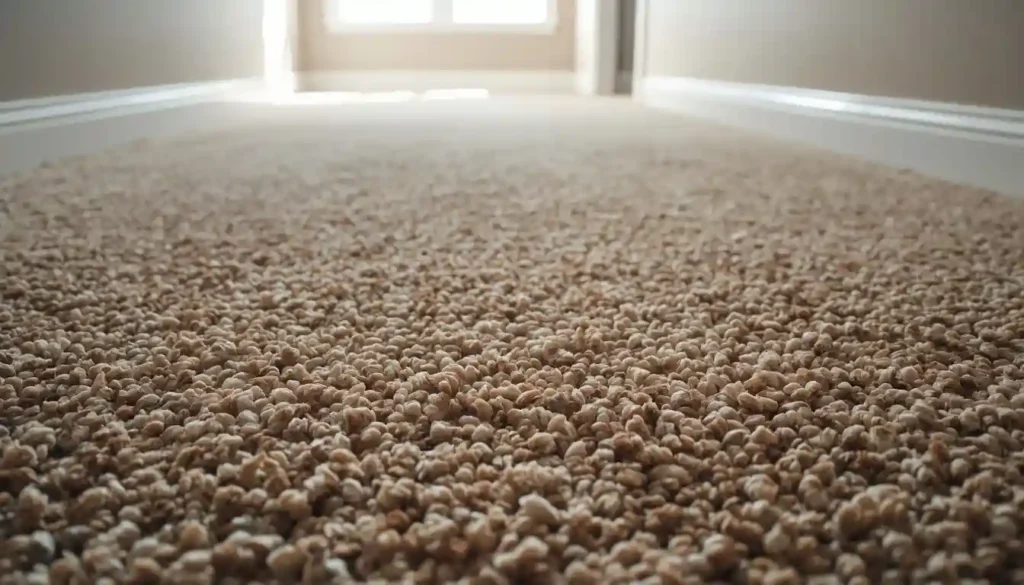
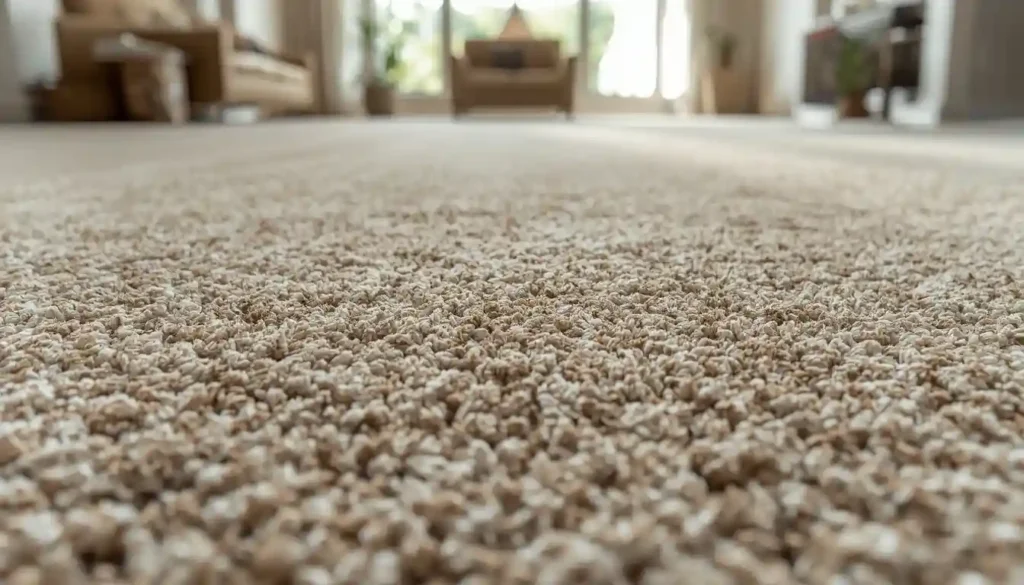
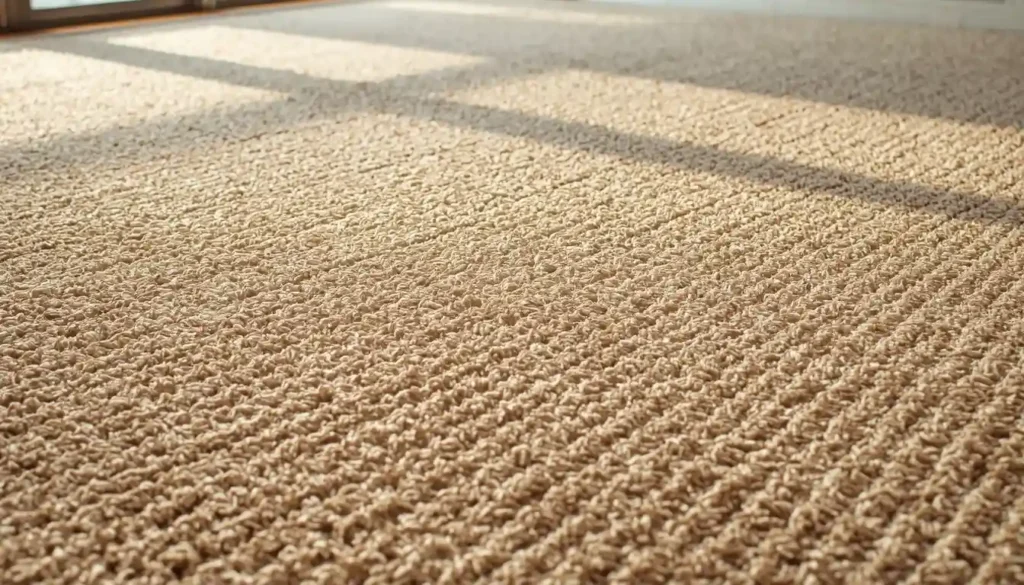
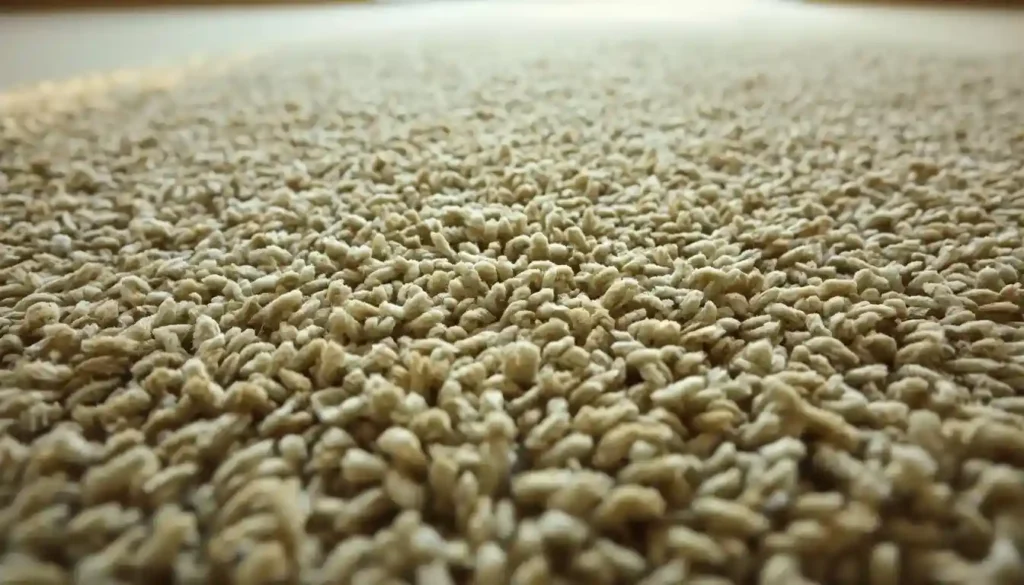
The most budget-wise color choice for Berber is a flecked or heathered neutral, typically in shades of beige, greige, or warm gray. That flecked appearance is not purely cosmetic. The multicolor twist in the fiber acts as natural camouflage for dirt, dust, and the occasional spill, buying you more time between cleanings without the floor ever looking dingy. Pair a neutral Berber with white or off-white baseboards and you have a combination that reads as deliberately modern rather than budget-driven.
2. Polyester Saxony in the Bedroom
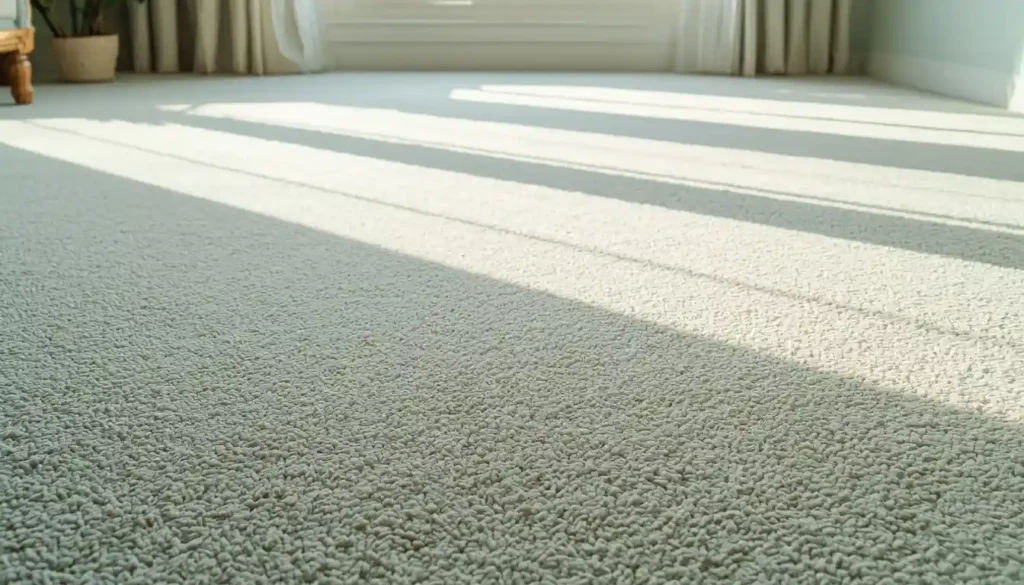
Polyester has undergone a genuine transformation in the last decade. Early versions of the fiber had a reputation for matting and crushing under furniture and foot traffic, which earned it a second-tier status in carpet showrooms. Modern polyester manufacturing, however, has dramatically improved fiber resilience, and the result is a cut-pile carpet that offers a soft, plush surface at a price point well below nylon.
Saxony carpet, which features a cut pile that stands upright for a smooth, velvet-like surface, is traditionally associated with formal living spaces and master bedrooms precisely because it looks expensive. In polyester, that aesthetic becomes accessible to nearly any budget. Expect to pay between $1.50 and $3 per square foot for polyester Saxony, compared to $3 to $6 for comparable nylon versions. The trade-off is durability under heavy foot traffic, which is why bedrooms are the ideal application. In a bedroom, the carpet is walked on gently, furniture stays relatively fixed, and the primary requirement is that soft, barefoot feeling when you step out of bed in the morning.
Polyester also accepts dye exceptionally well, which means the color range available in this fiber is broader and more vibrant than almost any other carpet type. Soft sage greens, warm taupes, pale dusty blues, and the classic light neutrals that dominate 2025 design trends all come in at accessible prices in polyester Saxony. The carpet’s naturally stain-resistant quality, a function of how polyester fiber bonds with dye, makes it forgiving for bedrooms where morning coffee or skincare products occasionally find their way to the floor.
Understanding what type of carpet works best for different rooms helps you allocate your budget correctly. Spending more on a durable fiber in high-traffic zones while choosing affordable polyester for the bedroom is one of the smartest cost-distribution strategies available.
3. Olefin Carpet for Basement and Below-Grade Spaces
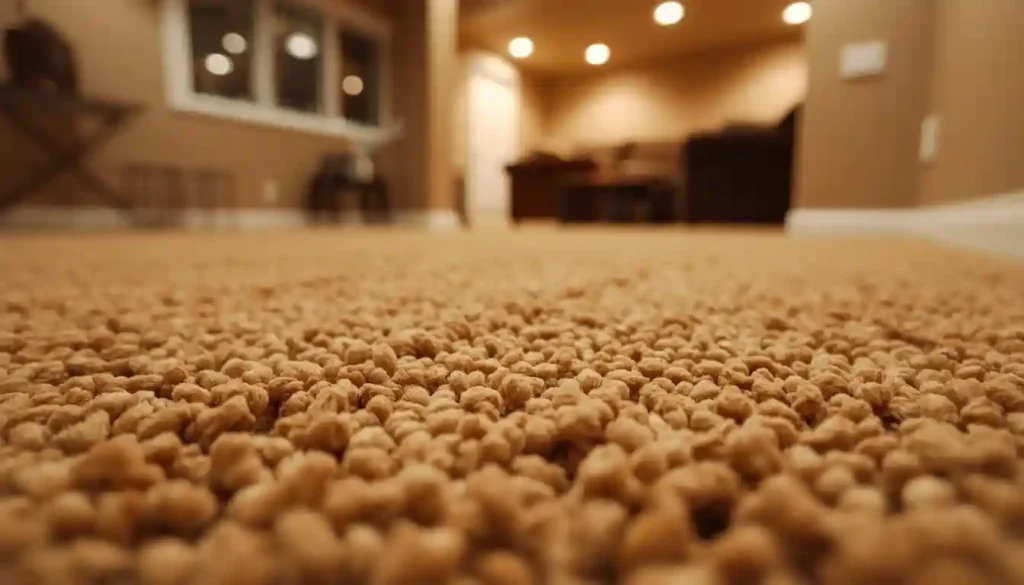
Basements are one of the most difficult rooms to floor affordably because moisture is always a factor. Most carpet fibers perform poorly in damp environments, but olefin, also known as polypropylene, is an exception. The fiber is inherently hydrophobic, meaning it does not absorb water, which makes it naturally resistant to mold, mildew, and the musty smell that plagues below-grade spaces covered in moisture-sensitive materials.
Olefin sits at the absolute lowest end of the carpet price spectrum. Material costs typically range from $0.75 to $2 per square foot, and because it is available in both cut-pile and loop construction, it offers design flexibility that matches its budget credentials. For basements used as casual family spaces, home theaters, or playrooms, an olefin loop carpet in a mid-tone color provides a soft, comfortable surface that will outlast many more expensive options in that specific environment.
The color range for olefin leans toward the practical rather than the fashion-forward, but that is not a design limitation when you select thoughtfully. Warm grays, soft tans, and earthy medium browns all pair naturally with the wood-toned furniture, area rugs, and casual décor that typically populate a finished basement. The key visual principle is to treat the carpet as a neutral foundation and build the room’s personality through furniture, lighting, and wall color.
One practical note: while olefin is excellent for below-grade spaces, it is less resilient than nylon or polyester in upper-floor applications where foot traffic is aggressive. The fiber can crush and mat in living rooms or hallways with heavy daily use. Reserve it for the applications where its moisture resistance is the primary asset and it performs exceptionally well within budget.
4. Frieze Carpet for a High-End Textural Look
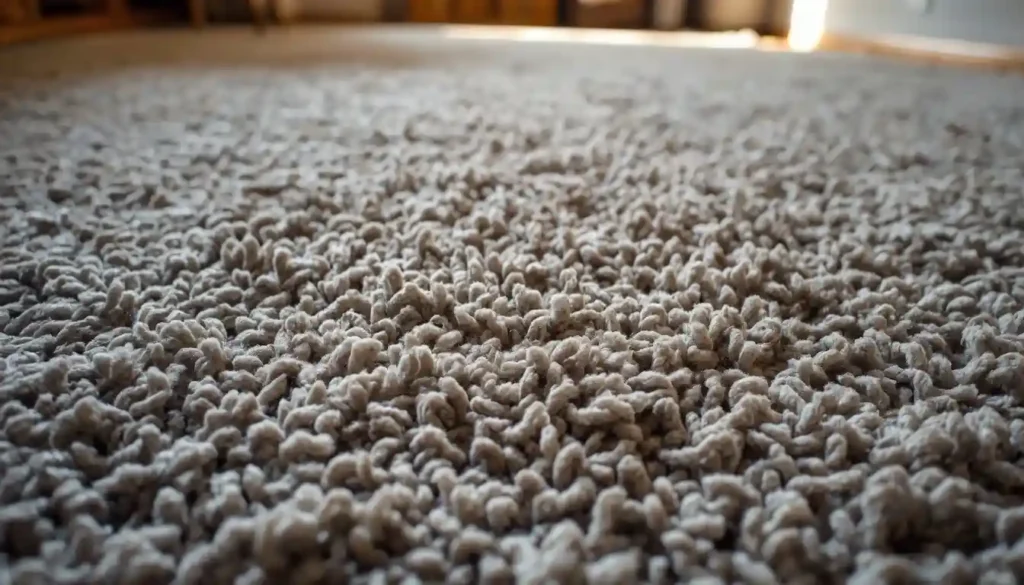
Frieze, sometimes called twist carpet, is one of the most underrated options at the budget end of the carpet spectrum. The construction involves highly twisted yarn that curls at the tips, creating a casual, shaggy texture that hides footprints, vacuum lines, and surface irregularities far better than a smooth Saxony. That practical advantage also happens to produce one of the most design-current looks available in carpet flooring today.
From a price standpoint, frieze sits in a middle position, generally more affordable than premium nylon Saxony but higher than entry-level Berber or olefin. Polyester frieze in particular offers strong value, typically running $2 to $3.50 per square foot for material. The textural depth of frieze makes it look more substantial and considered than its price suggests, particularly in longer pile versions that create a casual luxe atmosphere in living rooms and bedrooms.
Gray frieze is among the most pinnable and popularly saved carpet looks on design platforms. The color’s neutrality reads as sophisticated while the twisted pile adds dimension that flat, smooth carpet cannot replicate. Pair warm-toned frieze with natural wood furniture and you have a room that looks like it belongs in an interior design feature, assembled at a fraction of that cost. For homes where the character of frieze carpet suits the lifestyle, particularly households with pets or children, it is one of the highest-value choices available.
5. Carpet Tiles for DIY-Friendly Flexibility
Carpet tiles represent a genuinely different approach to budget carpet flooring, one that shifts cost savings from the material itself to the installation process. Standard wall-to-wall carpet installation requires professional tools, skilled seaming, and a knee kicker for proper stretching, all of which add labor cost on top of the material price. Carpet tiles, by contrast, can be installed by a homeowner with no special equipment. Peel-and-stick versions require nothing more than a utility knife and a tape measure.
The material cost for entry-level carpet tiles typically starts around $1 to $2 per square foot, which is competitive with basic roll carpet options. The DIY installation saving can add another $1 to $2.50 per square foot back into your pocket, making the total installed cost of carpet tiles genuinely lower than almost any other flooring option. Beyond the price, carpet tiles offer practical advantages that roll carpet cannot: a stained or damaged tile can be replaced individually rather than requiring a full room re-carpeting.
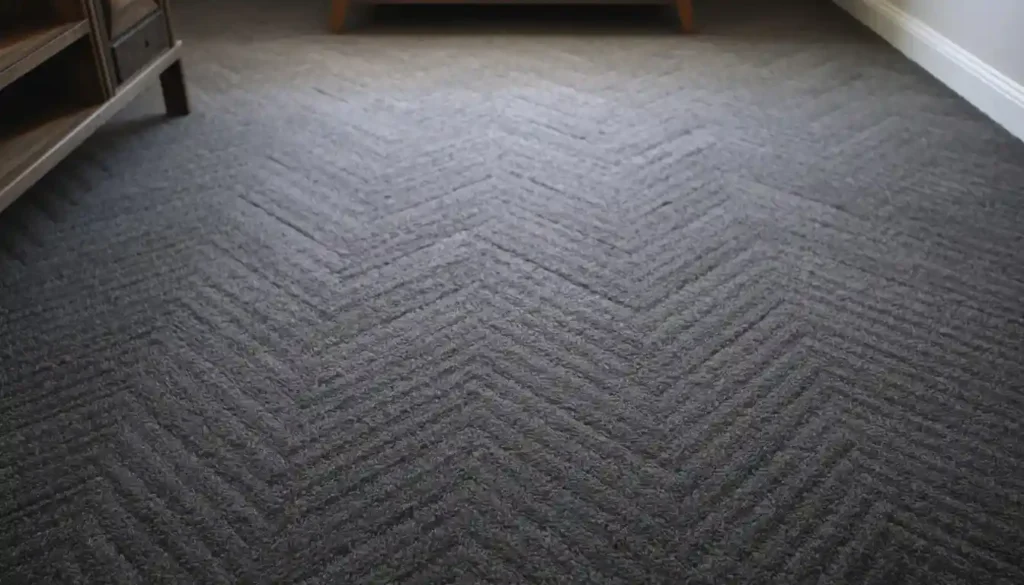
From a design standpoint, carpet tiles have evolved significantly from the flat commercial grid look they carried for decades. Contemporary residential carpet tiles come in plank shapes, herringbone arrangements, and a wide range of textured finishes that resemble loop, cut-pile, or even sisal weave. Laying tiles in a running bond or herringbone pattern rather than a simple grid adds visual complexity that draws the eye toward the floor as a design element rather than a utilitarian background.
For home offices, basement rooms, and playrooms, carpet tiles strike a balance between the warmth and comfort of soft flooring and the practicality of a surface that can be swapped out as circumstances change.
6. Neutral Greige Wall-to-Wall for an Open-Plan Space
Greige, the hybrid of gray and beige that has dominated residential interiors since the early 2010s, remains one of the most consistently livable and sale-proof neutral color choices in flooring. In carpet, greige sits in a warm-to-cool spectrum that flatters almost every wall color, furniture finish, and natural light condition. More importantly for budget shoppers, greige is available in virtually every carpet construction and every fiber type, meaning you can achieve the look at almost any price point.
For open-plan spaces where a single carpet color must work across a living area, dining space, and transition into a hallway, a medium greige in a low-pile textured construction is the most forgiving choice. The color does not show footprints the way a true medium gray can, does not read as dingy under artificial light the way a cream can, and does not polarize visitors the way a darker tone might. It is the most statistically safe color choice in residential carpet, which is exactly why it retains value in rental properties and family homes alike.
The budget-smart version of this idea involves choosing a textured loop or cut-loop construction in the greige tone rather than a smooth plush. The surface variation in a textured pile naturally hides everyday dirt and compression marks between weekly vacuuming sessions. In a busy household, that practical quality translates directly into the carpet looking newer for longer.
7. Dark Charcoal or Espresso Carpet in a Media Room
Dark carpet colors occupy an interesting position in budget flooring strategy. They are often perceived as a luxury choice because of their association with home theaters and high-end entertainment spaces, but the actual material cost of a dark-toned carpet is identical to that of any other color in the same construction and fiber type. The visual premium is entirely in the perception.
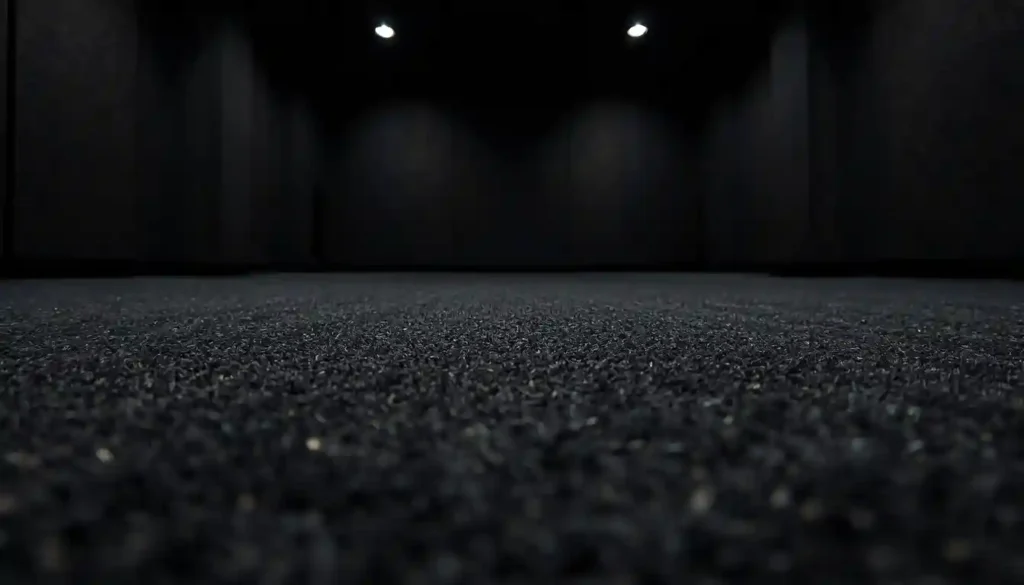
A deep charcoal, near-black, or espresso-toned carpet in a media room, basement theater, or dedicated TV room serves multiple practical purposes simultaneously. Dark pile absorbs more light, which reduces screen glare and improves the perceived contrast of a projected or flat-screen image. The sound-absorbing properties of carpet, which are among the most significant acoustic benefits of carpet flooring, are fully preserved regardless of color. And dark tones are the most forgiving in terms of stain visibility, a meaningful advantage in a room where popcorn, beverages, and snacks are regular occupants.
A polyester Saxony or frieze in a deep charcoal tone, combined with acoustic wall panels and light-controlling curtains, can create a media room that reads as a professionally designed space. The carpet does the heaviest lifting in terms of tone-setting, and at $1.50 to $3 per square foot in polyester, it does so affordably. The design discipline is to commit to the dark floor and build the room’s lighting and furniture around it rather than fighting the depth with pale, competing elements.
8. Patterned Cut-Loop Carpet for a Living Room Statement
Cut-loop carpet combines two construction methods, some fibers are cut at the tip and others remain looped, to create geometric or organic surface patterns that add genuine visual interest to a floor. Because the patterning is built directly into the construction rather than printed on top, it does not fade or wear away the way surface patterns can. The result is a durable, textured carpet with more design character than a plain pile at a price point that rarely exceeds mid-range options.
For living rooms where the homeowner wants the floor to function as a mild design statement rather than a purely neutral background, a cut-loop carpet in a tonal pattern, meaning a pattern created through surface variation in a single color rather than through contrasting hues, offers the best value. The floor reads as intentional and designed without introducing the coordination challenges that come with strongly patterned carpet. A soft geometric in warm taupe or cool slate gray anchors furniture groupings and adds the kind of visual layering that makes rooms feel put-together.
From a budget perspective, cut-loop construction in polyester or mid-grade nylon runs approximately $2 to $4 per square foot for material, which positions it above entry-level loop but well below premium plush. The increased visual complexity justifies the modest step up in price for a living room that functions as the main public face of the home.
Cut-loop also handles foot traffic sensibly. The looped sections are structurally resilient while the cut sections provide softness, meaning the carpet does not compromise comfort for durability or vice versa. For households with children or pets, that balance represents strong practical value alongside the aesthetic benefit. Learning more about how loop pile and cut pile constructions compare helps you decide which proportion of each suits your specific room.
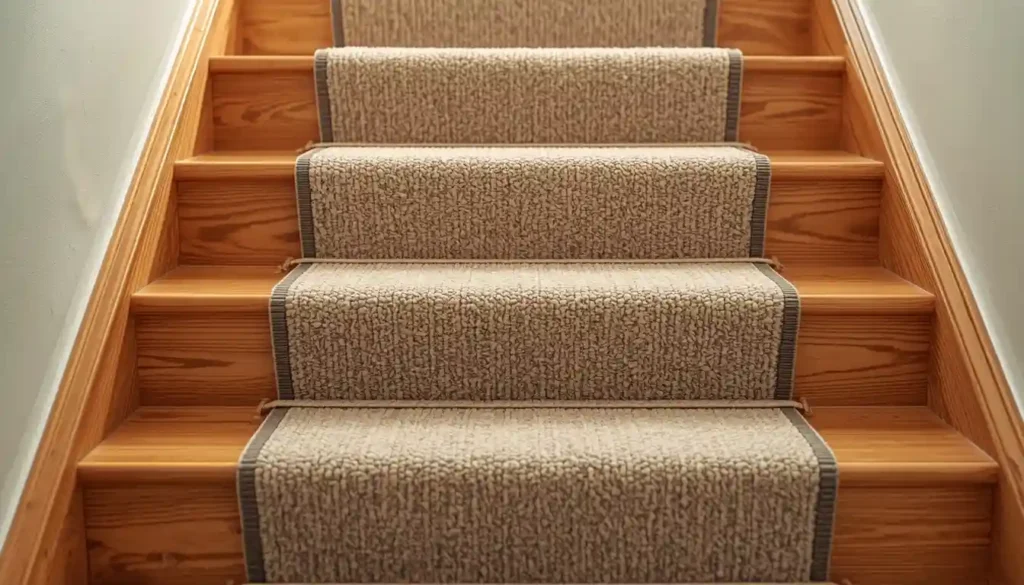
9. Stair Runner Carpet on a Budget
Carpeting a full flight of stairs wall-to-wall is one of the more expensive carpet projects in a home because the labor complexity increases significantly. Each tread and riser requires careful cutting, fitting, and securing, and odd angles or curved stairs add to the professional installation cost. A stair runner, which covers the center portion of each step while leaving the sides of the original flooring or painted risers exposed, uses considerably less carpet material and can sometimes be laid with fewer labor hours.
From a material standpoint, a stair runner requires roughly 30 to 40 percent less carpet than full wall-to-wall coverage on the same staircase. If you choose a durable but affordable option, a flat-weave olefin, a tight Berber loop, or an entry-level nylon in a medium color, the total material cost for an average 14-step staircase can stay well under $200 for carpet alone. Add tack strips, padding strips, and installation rods or staples and the full project remains accessible even at the tightest budget levels.
The design case for a stair runner is strong because it adds more visual interest than wall-to-wall coverage. Exposed stair edges in painted wood or stained timber frame the runner and create a composed, purposeful look that reads as a design choice rather than a default. A neutral or striped runner in durable loop construction is one of the most popular and most-saved looks on visual platforms precisely because it bridges traditional warmth and contemporary restraint in a single affordable gesture.
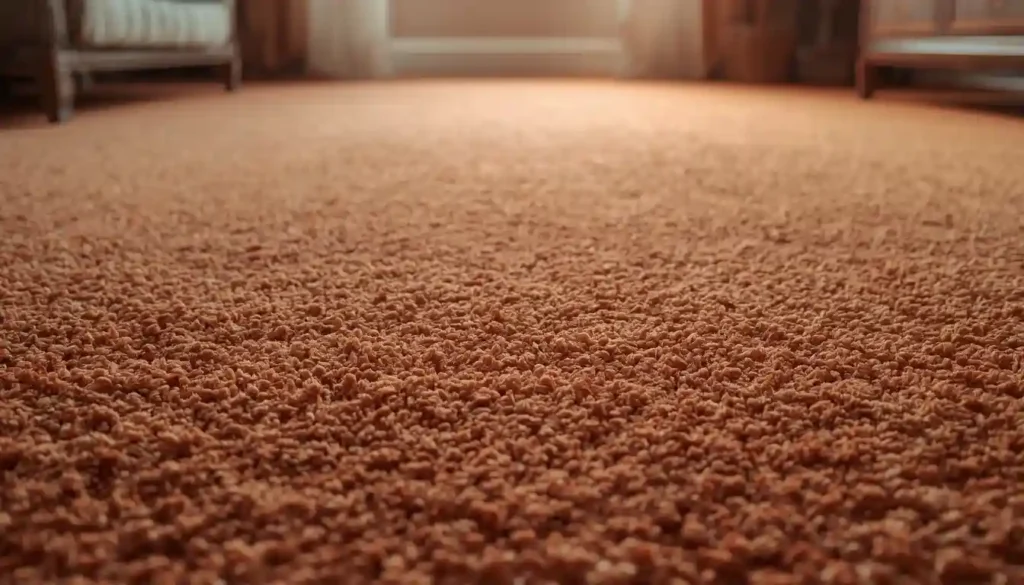
10. Warm Earthy Tones for a Cozy Bedroom Retreat
Earth tones, including the full range of terracotta, warm sandy beige, cinnamon brown, dusty ochre, and olive-adjacent greens, have been climbing steadily through interior design preferences and show no sign of retreating. In carpet, these tones deliver something that cooler neutrals cannot: a sense of warmth that is almost physically palpable. Walking into a bedroom with a soft terracotta or warm caramel carpet feels fundamentally different from walking into a room with the same construction in cool gray.
The budget implication of color choice is minimal. Warm earthy tones are available across the full fiber spectrum, from entry-level polyester Saxony to mid-range nylon textured cut-pile, at the same price points as neutral gray or beige alternatives. The investment is in choosing the right tone rather than paying a premium for it. That means visiting a showroom with actual material samples and holding them against your existing wall color and natural light conditions before committing.
For bedrooms, a warm mid-pile polyester in a dusty terracotta or warm mushroom brown creates a cocoon quality that promotes rest and relaxation. These tones are forgiving under artificial lighting, which tends to strip the warmth from cool grays and leave them looking clinical rather than calm. They also pair naturally with the rattan, raw linen, and unfinished wood materials that dominate current bedroom styling, making the room feel assembled around a coherent palette without requiring expensive furniture.
11. Recycled PET Polyester Carpet for Eco-Conscious Budget Buyers
PET polyester carpet, made from recycled plastic bottles, is one of the most compelling options for budget buyers who also want to make an environmentally responsible purchase. The recycled content does not compromise the performance characteristics that make polyester valuable in residential applications. It remains naturally stain-resistant, accepts vibrant dye well, and provides a soft surface underfoot at a price point that competes with conventional synthetic fibers.
Recycled PET polyester carpets are increasingly available from major manufacturers and often carry the same price as their virgin polyester counterparts, ranging from $1.50 to $3 per square foot. Some manufacturers have invested enough in the recycled fiber technology that their PET options actually test comparably to entry-level nylon in crush resistance, which addresses the primary performance criticism historically leveled at polyester carpet.
The visual range of PET polyester is broad. Because recycled polyester accepts dye just as readily as virgin fiber, the available colors span the full spectrum from deep jewel tones to the softest naturals. This makes it an option that works across every room type: the comfort of a plush bedroom carpet, the durability of a textured living room pile, or the resilience of a frieze finish for an active family space.
For homeowners who weigh environmental impact alongside cost, PET polyester delivers on both counts without asking for a compromise on aesthetics or performance in the applications where polyester naturally excels. It is a category that continues to improve as manufacturing technology advances, and today’s recycled carpet products are meaningfully better than the versions available even five years ago.
When budgeting, keep in mind that the carpet fiber is only one part of the total cost. The quality of the padding beneath it significantly influences how the carpet feels and how long it lasts. A mid-grade carpet on quality padding often outperforms a premium carpet on thin or inappropriate padding. For detailed guidance on which carpet padding is right for your specific application, pairing the two correctly is one of the highest-leverage decisions you can make regardless of budget level.
How to Maximize Value When Buying Budget Carpet
Choosing the right carpet type is only the first layer of a smart budget flooring decision. Several additional factors influence how much value you actually receive for what you spend, and understanding them helps you avoid the common mistakes that turn a low-cost carpet purchase into an expensive replacement within a few years.
Face weight is one of the most commonly cited but most frequently misunderstood carpet specifications. It refers to the weight of the fiber per square yard, and a higher face weight generally indicates more material per unit area. In similar constructions, more fiber means more durability and a more substantial feel underfoot. However, face weight comparisons are only meaningful within the same fiber type and pile height. A 40-ounce polyester carpet is not directly comparable to a 40-ounce nylon carpet in terms of performance.
Pile density, the closeness with which fiber tufts are packed together, matters more than pile height for durability. A densely packed low-pile carpet will outlast a loosely packed high-pile version in almost every traffic scenario. When evaluating carpet samples in a showroom, the simple bend test is a useful shortcut: bend a sample backward and observe how much of the backing becomes visible between the tufts. Less visible backing indicates higher density and longer expected life.
Understanding the full range of carpet types and constructions before entering a showroom means you negotiate from knowledge rather than responding to whatever the sales floor is trying to move. Budget buyers who understand the difference between what drives price and what drives performance are far less likely to be upsold into fiber categories that exceed what their specific application actually requires.
Color selection also has a meaningful practical dimension beyond aesthetics. Medium tones in the warm-to-neutral range consistently outperform both very light and very dark tones in terms of apparent cleanliness between vacuuming sessions. Very light carpet shows every footprint, pet hair, and crumb. Very dark carpet shows dust and fiber particles clearly. The practical sweet spot is a mid-tone in a warm neutral or a slightly textured construction where the surface variation breaks up the uniform appearance of everyday soiling.
Finally, the installation quality matters enormously regardless of material price. Improperly stretched carpet buckles and ripples within months. Seams placed in high-visibility locations or in direct foot-traffic paths become visible and worn quickly. Getting multiple installation quotes and asking specific questions about seam placement, padding quality, and tack strip condition for replacement projects is the kind of due diligence that protects a budget carpet investment for the full expected service life of the product.
For those considering whether to install carpet yourself or hire a professional, the honest answer depends on the complexity of the room, the type of carpet chosen, and your confidence with the tools involved. Carpet tiles and some peel-and-stick products are genuinely DIY-friendly. Standard roll carpet with seams requires professional skills to achieve a result that holds up over time.
Budget carpet flooring is not a compromise. It is a category with enough material, construction, and color variety to serve nearly any design vision and nearly any performance requirement when the choices are made with knowledge and intention. The eleven ideas above represent the best of what this category offers, and each one is capable of producing a finished floor that prompts guests to ask where you found it rather than how little you spent on it.
James Miller is a seasoned flooring contractor with years of hands-on experience transforming homes and businesses with high-quality flooring solutions. As the owner of Flooring Contractors San Diego, James specializes in everything from hardwood and laminate to carpet and vinyl installations. Known for his craftsmanship and attention to detail, he takes pride in helping clients choose the right flooring that balances beauty, durability, and budget. When he’s not on the job, James enjoys sharing his expertise through articles and guides that make flooring projects easier for homeowners.
The living room is not a bedroom, and it is not a hallway. It sits somewhere in between — less predictable than a bedroom in terms of foot traffic, less brutal than a hallway in terms of daily abuse, but far more visible than either. Every design decision you make here gets evaluated daily, by…
Most flooring decisions in an office setting get made the wrong way. Someone picks a carpet that looks good in a showroom, installs it across every zone, and then watches it mat down in the reception area within eighteen months while the executive corridor still looks fine. That happens because office carpets are not residential…
Basements sit below grade. That single fact changes everything about how flooring performs in them — and it is the reason you cannot walk into a flooring store, point at the softest carpet on the wall, and expect it to hold up for more than a few seasons. Concrete slabs are porous. Ground moisture migrates…
When most people say “steam cleaning,” they picture a machine blasting hot vapor into carpet fibers. What professional cleaners actually use is something slightly different — hot water extraction (HWE), where pressurized hot water and a cleaning agent are injected deep into the pile and immediately vacuumed back out. The two terms get used interchangeably…
Cutting carpet looks straightforward until you do it wrong. A dull blade through the face of a Berber loop. A straight-edge that slips two inches off-line right before a seam. Pile direction ignored across a double-cut join. These are the kinds of errors that announce themselves every single day for the life of the installation….
What the Subfloor Actually Does — and Why Preparation Is the Whole Game Every conversation about wood flooring eventually becomes a conversation about what sits underneath it. The finish, the species, the plank width — all of that matters. But none of it matters as much as whether the subfloor was prepared correctly before the…