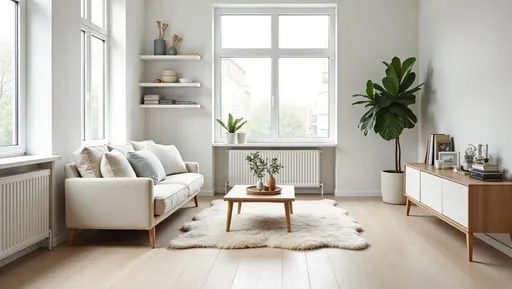
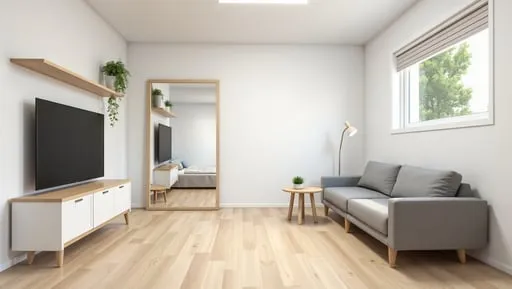
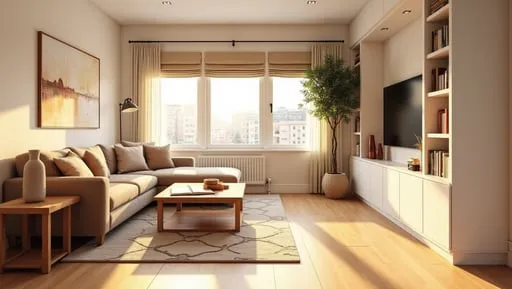
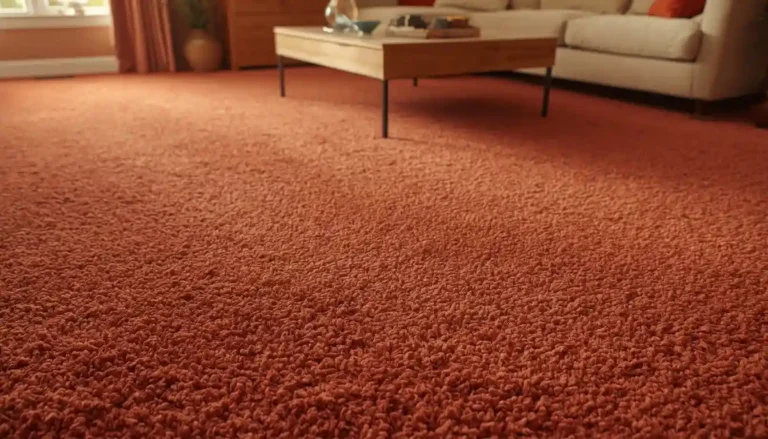
For furniture, choose natural wood tones, muted greiges, and soft greys. Avoid strong warm colors like terracotta or deep burgundy, as they can clash with the cool undertones of the whitewash. Instead, bring warmth through textured throws, chunky knit pillows, and sheepskin rugs.
This flooring style is also incredibly practical. Light-colored laminates tend to hide everyday dust and fine scratches far better than dark floors, making them ideal for busy households. The AC4 or AC5 wear ratings commonly found in whitewashed oak laminates make them durable enough for heavy foot traffic areas.
2. Natural Maple Laminate in an Open-Plan Living Area
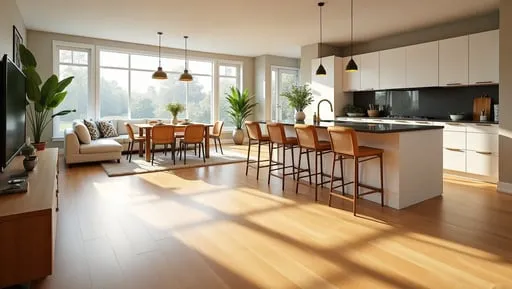
Natural maple is one of the most versatile light wood tones available in laminate form. It has a warm, creamy golden undertone that feels welcoming without being overly yellow or orange. When used in an open-plan living area, natural maple laminate flooring creates a seamless visual flow that ties the kitchen, dining, and living zones together beautifully.
One of the biggest design challenges in open-plan spaces is maintaining cohesion without making everything look monotonous. Natural maple laminate solves this effortlessly. Because it is a neutral, mid-brightness tone, it acts as a harmonious base that allows you to use different accent colors in each zone — for example, navy blue in the kitchen, sage green in the dining area, and terracotta in the living area — without the floor ever clashing.
For the best visual results, run the planks in the longest direction of the open-plan space. This elongates the room and draws the eye through the entire area, making the space feel even more expansive. If your open-plan area has a natural light source at one end, run the flooring parallel to the light direction to maximize how the wood grain catches and reflects the light.
Natural maple laminate pairs exceptionally well with mixed-material interiors. Think brushed brass hardware, matte black fixtures, warm concrete countertops, and woven rattan furniture. These materials complement the maple’s golden undertones without overpowering them. Avoid too much cool grey in the decor, as grey can flatten the warmth of the maple and make the space feel cold.
If you are considering this look for a kitchen space within your open-plan layout, be sure to choose a waterproof or water-resistant laminate rated for kitchens. Modern laminate technology has advanced significantly, and many natural maple options now come with hydrophobic core technology that can withstand light spills and steam. You can learn more about these considerations in our guide to 15 Kitchen Laminate Flooring Ideas.
3. Blonde Ash Laminate with White Walls
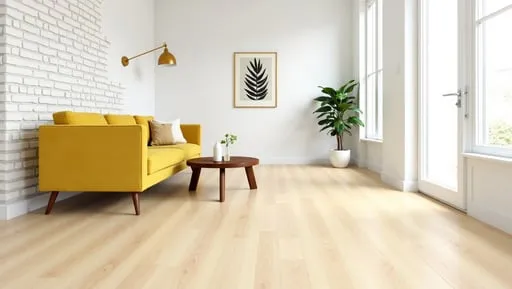
If you want a bright, fresh interior that feels like it belongs in a high-end design magazine, blonde ash laminate flooring paired with crisp white walls is one of the most effective combinations you can choose. Blonde ash has a slightly cooler tone than maple — it sits in that sweet spot between warm and neutral, making it remarkably adaptable to both warm and cool color palettes.
The key characteristic of blonde ash laminate is its subtle, straight grain pattern with occasional knot details that add character without looking rustic or heavy. This grain pattern, when combined with the pale blonde color, gives the floor a light-infused quality that bounces natural light around the room beautifully.
Pairing this floor with white walls is a timeless choice. The contrast between the warm-neutral floor and the bright white walls creates a clean, gallery-like quality that makes any furniture or artwork you introduce feel intentional and prominent. It is an especially effective combination in rooms that lack natural light, as the reflective quality of the pale floor and white walls amplifies whatever light is available.
For furniture selection, this combination works beautifully with mid-century modern pieces — think walnut-legged sofas, tulip dining tables, and Eames-style chairs. The darker walnut tones of mid-century furniture create a sophisticated contrast against the blonde floor without making the room feel heavy. Add pops of mustard yellow, dusty pink, or olive green through cushions and throws for a curated, contemporary feel.
Blonde ash laminate is also an excellent choice for home offices and creative studios. The light, energizing atmosphere it creates promotes focus and creativity. Many interior designers specifically recommend pale wood tones for work-from-home spaces for precisely this reason.
4. Wide Plank Light Pine Laminate
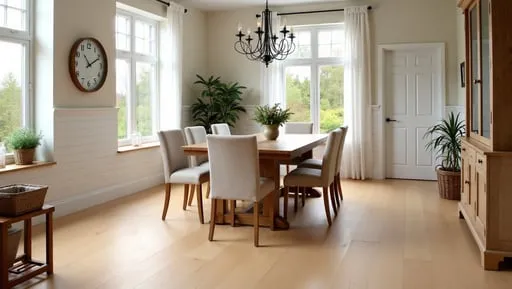
Wide plank flooring has experienced a tremendous resurgence in popularity, and for good reason. Wide planks — typically 7 inches or wider — showcase the natural beauty of the wood grain more dramatically than narrow planks, giving any room an immediate sense of luxury and spaciousness. When those wide planks are rendered in a light pine tone, the effect is both rustic-charming and contemporarily relaxed.
Light pine laminate tends to have more visible knots, grain variation, and color movement than maple or ash options. This variation is precisely what makes it so appealing — no two sections of the floor look identical, giving the space an organic, lived-in quality that feels authentic and warm. The warm, peachy-cream undertones of pine also make interiors feel cozy and inviting, particularly in north-facing rooms that miss out on direct sunlight.
Wide plank light pine laminate works especially well in open living spaces, master bedrooms, and dining rooms. In a dining room, the generous plank width creates a grounding effect beneath a large dining table, making the furniture feel anchored and purposeful. In a bedroom, it brings a soft, natural warmth that makes the space feel like a retreat.
Pair wide plank light pine with shiplap walls, exposed beam ceilings, and linen or cotton textiles for a relaxed, elevated farmhouse aesthetic. Alternatively, use it with sleek, low-profile furniture and concrete accessories for an unexpected contemporary-rustic hybrid that feels fresh and modern. The wide format is also excellent for elongating narrow rooms — running the planks lengthwise down a corridor or narrow living room will make the space appear significantly wider and longer.
When installing wide plank laminate, be sure the subfloor is extremely flat and level. Wide planks are less forgiving of subfloor imperfections than narrow planks because the larger surface area makes any unevenness more visible. A professional installation will ensure the best result.
5. Herringbone Pattern in Light Beige Laminate
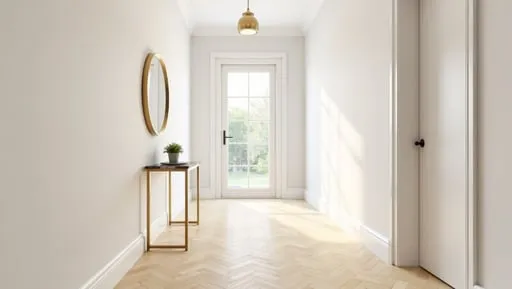
Herringbone is one of the most classic and enduring flooring patterns in interior design history. When executed in a light beige laminate, it transforms a simple floor into a genuine focal point of the room without being loud or overpowering. The interlocking V-shaped pattern creates a sense of movement and depth that flat, straight-laid planks simply cannot achieve.
Light beige herringbone laminate is particularly popular in entryways, hallways, and living rooms where you want to make a strong design statement from the moment someone steps inside. The pattern draws the eye across the floor in a diagonal sweep, which actually makes narrow spaces feel wider and longer — a clever optical illusion that many interior designers use to their advantage.
The beauty of choosing a light beige tone for herringbone, rather than a dark or rich wood tone, is that the pattern remains elegant and refined without dominating the room. Dark herringbone can sometimes feel heavy or intense, but light beige keeps things airy and sophisticated. It is a floor that works just as well in a traditional French-inspired interior as it does in a sleek, minimal modern apartment.
For the best visual impact, pair light beige herringbone laminate with painted skirting boards and architraves in a contrasting tone — either crisp white for a clean look or a deeper tone like charcoal or navy for a more dramatic effect. The defined border created by the skirting frames the herringbone pattern beautifully, making it look even more intentional and designer-led.
Installing herringbone laminate requires more skill and precision than straight-lay flooring. Each plank must be cut at exact 45-degree angles and laid carefully to ensure the pattern aligns correctly. We strongly recommend professional installation for herringbone patterns to achieve the cleanest, most symmetrical result. If you love the herringbone aesthetic, you might also enjoy our guide to 15 Herringbone Laminate Flooring Ideas for more inspiration across different tones and rooms.
6. Light Grey-Washed Laminate for a Modern Bedroom
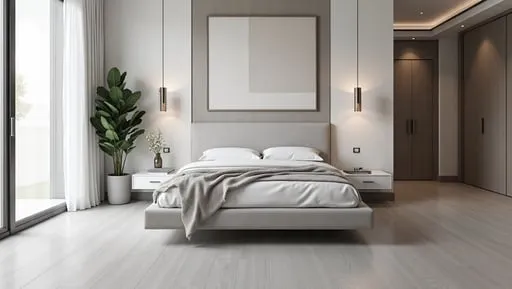
Grey-washed laminate sits in a fascinating middle ground between traditional warm wood tones and cool contemporary finishes. It has the organic texture and grain of natural wood but with a cool, sophisticated grey wash applied over the top, giving it a distinctly modern and editorial quality. In a bedroom setting, light grey-washed laminate creates an atmosphere that is simultaneously calm, luxurious, and effortlessly stylish.
The grey wash effect works by toning down the natural yellow or orange undertones typically found in wood, replacing them with a silvery, cool-neutral hue that photographs beautifully and ages gracefully. Unlike stark grey tiles or polished concrete, grey-washed wood laminate retains the warmth of a natural material, which is crucial for a bedroom — you want the space to feel restful and inviting, not clinical.
This flooring style pairs beautifully with a palette of soft whites, dove grey, blush pink, and muted sage green. In a master bedroom, combine it with upholstered linen bedhead in soft grey, bedside tables in brushed nickel or matte white, and layered bedding in varying shades of white and cream. The result is a serene, hotel-like bedroom retreat that feels both personal and professionally designed.
For a more dramatic bedroom look, use the light grey-washed floor as a contrast element against deeper wall colors. A charcoal feature wall behind the bed with grey-washed laminate flooring creates a tonal, sophisticated palette that feels very current in interior design. The light floor prevents the dark wall from feeling oppressive, while the dark wall anchors the airy floor beautifully.
Grey-washed laminates are also among the most forgiving floor finishes for busy bedrooms. The cool grey tone hides pet hair, dust, and fine scratches exceptionally well — even better than warm-toned light floors, which can sometimes show fine white scratches more readily. This makes it an excellent practical choice for households with pets or children. For bedroom-specific considerations, take a look at our article on 13 Bedroom Laminate Flooring Ideas for a broader range of options.
7. Honey Oak Laminate in a Cozy Farmhouse Kitchen
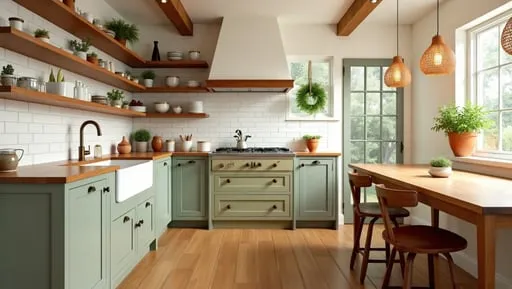
Honey oak laminate is the warm, golden-toned sibling of the lighter pale woods, sitting at the brighter end of the oak spectrum before transitioning into medium or dark brown territory. It is rich, inviting, and full of character — and nowhere does it feel more at home than in a farmhouse-style kitchen where warmth, texture, and nostalgia are the primary design goals.
In a farmhouse kitchen, the floor is the heart of everything. People gather, cook, eat, and linger in this space, and the flooring needs to reflect that sense of warmth and welcome. Honey oak laminate does precisely this. Its warm, amber-golden tones create an immediate sense of coziness that makes even the coldest morning feel comfortable. The visible grain and natural variation in honey oak laminate give the kitchen character and depth that plain tile or uniform vinyl simply cannot replicate.
Pair honey oak laminate flooring with painted shaker-style cabinets in classic farmhouse colors — cream, sage green, dusty blue, or warm white. Avoid very dark cabinet colors, as they can contrast too sharply with the honey tones of the floor, making the kitchen feel fragmented rather than cohesive. Butcher block or quartz countertops in warm white or cream are ideal companions, as are apron-front sinks, vintage-style faucets, and open shelving with ceramic dishware displayed.
One important design consideration when using honey oak laminate in a kitchen is the grout lines and transitions between floor areas. If your kitchen has an island or peninsula, make sure the flooring runs continuously under and around the island — this creates visual flow and makes the kitchen feel larger. Use matching or complementary transition strips where the flooring meets other rooms to maintain the clean, cohesive look.
Honey oak laminate is also available in water-resistant and fully waterproof variants, which is an essential consideration for kitchen environments. Look for options with a sealed core and waterproof AC rating for the best protection against spills, steam, and humidity. This durability makes honey oak laminate not only beautiful but genuinely practical for the most demanding room in the home.
8. Pale Driftwood Laminate for a Coastal Look
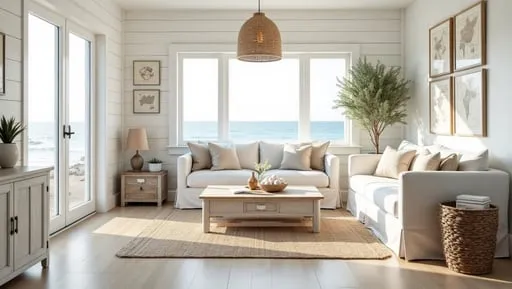
If you have ever walked along a beach and admired the sun-bleached, weathered beauty of driftwood, you already understand the appeal of pale driftwood laminate flooring. This finish captures the essence of coastal living — unhurried, natural, and beautifully imperfect. The driftwood effect is achieved through a combination of very light grey-beige tones and a slightly wire-brushed or distressed texture that mimics the look of wood that has been gently weathered by salt air and sun.
Pale driftwood laminate is the definitive flooring choice for coastal and beach house interiors, but its quiet, sun-faded beauty translates equally well to any interior that wants to feel relaxed and close to nature. It is especially popular in vacation rentals, holiday homes, sunrooms, and any living space that is designed around comfort and ease rather than formality.
The color palette that works best with driftwood laminate is inspired directly by the ocean and shore — soft whites, sandy beiges, seafoam greens, washed-out blues, and warm corals. Furniture should feel relaxed and unpretentious: linen-slipcovered sofas, weathered whitewashed wood coffee tables, rattan chairs, and jute or sisal area rugs. Layer textures to create depth — chunky cotton throws, woven cushions, ceramic lamps with natural rope details.
One of the great strengths of pale driftwood laminate is its ability to handle the visual weight of bold accessories without looking overwhelmed. Large vintage-style maps, oversized coastal artwork, driftwood sculptures, and collections of shells and sea glass all complement this floor beautifully. Because the floor itself is light and relatively neutral in tone, it provides a generous canvas for personality-driven decor without any visual conflict.
For installation, driftwood laminate looks particularly stunning when run diagonally across a room rather than parallel to the walls. The diagonal installation mimics the way light plays across a sandy beach and adds an extra layer of visual dynamism to what is already a highly textural floor surface.
9. Light Wood Laminate with Dark Grout Line Trim Details
One of the most underrated design details in flooring is the use of contrasting trim and border elements to frame and define the floor. When you combine light wood laminate with dark border strips or feature trim details, the effect is surprisingly architectural — the floor gains a tailored, custom quality that makes the entire room feel more intentional and polished.
This technique involves using a darker laminate or solid wood strip, typically in charcoal, espresso, or deep walnut, to create a defined border around the perimeter of the room, around islands or cabinetry, or as a transition strip between zones in an open-plan space. The dark border acts like a picture frame for the floor, containing and defining the light wood in the center and giving the room a sense of order and structure.
This look is inspired by traditional parquet flooring with inlay borders, a detail historically associated with grand European interiors. The modern laminate interpretation makes it accessible and achievable without the extraordinary cost of custom woodwork. The contrast between the pale floor and the dark border also creates a subtle optical illusion that makes the room appear slightly narrower at the edges and wider in the center — a useful trick for rooms that feel too long and narrow.
Beyond borders, you can also use contrasting laminate strips as a functional design element — for example, placing a row of darker laminate planks down the center of a hallway to create a visual runner effect, or using dark strips to mark the boundary between a kitchen and a living area in an open-plan layout without installing any physical threshold.
This technique requires careful planning before installation and precise cutting, so it is definitely a job for experienced flooring installers. The payoff, however, is a floor that looks genuinely bespoke and designed rather than simply installed.
10. Bright Birch Laminate in a Small Space
When working with small rooms, the choice of flooring can make an enormous difference to how spacious the space feels. Bright birch laminate, with its very pale, almost white-blonde color and subtle, fine grain, is one of the most effective tools available for making a small space feel significantly larger than it actually is. The pale tone reflects light back into the room, while the fine grain avoids the visual busyness that can make a small room feel cluttered.
Birch is naturally one of the lightest wood species, and laminate interpretations of birch capture this quality perfectly. The result is a floor that is luminous without being stark, warm without being heavy, and natural without being rustic. It is arguably the most flattering flooring choice for small apartments, compact bedrooms, narrow hallways, and box-room home offices.
To maximize the space-expanding effect of bright birch laminate in a small room, use a few key design strategies alongside the floor itself. First, choose furniture with legs rather than pieces that sit directly on the floor — the gap between furniture and floor creates visual breathing room and makes the room feel more open. Second, use a single continuous color palette across walls, furniture, and soft furnishings — this avoids the visual fragmentation that makes small rooms feel even smaller. Third, avoid area rugs that break up the floor, or if you do use a rug, make sure it is large enough to sit under all the furniture in the seating group, not just in front of the sofa.
Running bright birch laminate planks in the longest direction of the small room will further elongate the space. In a particularly narrow room, a diagonal installation can help too, as it draws the eye across the full width of the room rather than along its length. For more tailored advice on flooring small rooms, explore our guide to 11 Laminate Flooring Ideas for Small Spaces.
11. Warm Sand Laminate for a Transitional Living Room
Transitional interior design sits gracefully between traditional and contemporary — it takes the warmth and comfort of classic styles and pairs them with the clean lines and simplicity of modern design. Warm sand laminate flooring is the perfect base for this style. Its medium-light tone, warm sandy-beige hue, and gentle grain pattern are neither aggressively rustic nor coldly modern — they occupy that comfortable middle ground where most people actually want to live.
Warm sand laminate has a naturally inviting quality that makes living rooms feel genuinely comfortable and welcoming. It works beautifully with the tonal layering that is characteristic of transitional design — mixing textures and materials in a single, harmonious palette. Think upholstered sofas in warm taupe or caramel, wooden coffee tables with clean-lined profiles, area rugs in geometric patterns, and a mix of ceramic, glass, and metal accessories in coordinating neutral tones.
One of the great strengths of warm sand laminate in a transitional living room is its ability to work with both patterned and plain upholstery. Because the floor is a neutral, mid-brightness tone, it does not compete with patterned fabrics the way a strongly colored or heavily grained floor might. You can freely introduce patterned cushions, geometric rugs, or floral drapes without worrying about the floor creating visual conflict.
Warm sand laminate also transitions beautifully between different rooms. If your living room connects to a hallway, dining room, or kitchen, using the same warm sand laminate throughout all areas creates a seamless, flowing interior that feels larger and more cohesive. This is particularly effective in homes where the living and dining areas are separated by only a half-wall or archway rather than a full door.
For lighting, warm sand laminate responds especially well to warm-toned bulbs (2700K to 3000K). The warm light enhances the golden tones in the sand color, making the floor glow beautifully in the evening. Combine warm artificial lighting with a statement floor lamp, table lamps on either side of the sofa, and perhaps recessed spotlights on dimmer switches for a layered, atmospheric lighting scheme that shows the floor at its very best.
Final Thoughts on Light Wood Laminate Flooring
Light wood laminate flooring is one of the most flexible and rewarding choices you can make for your home. Whether you are drawn to the crisp minimalism of whitewashed Scandinavian oak, the relaxed coastal charm of pale driftwood, or the timeless elegance of herringbone in light beige, there is a light wood laminate style that will bring your interior vision to life.
The practical benefits of light wood laminate — its durability, ease of installation, resistance to scratching and fading, and significantly lower cost compared to solid hardwood — make it an outstanding choice for every budget level. And with modern laminate technology advancing rapidly, today’s light wood laminates look better than ever, with realistic grain textures, beveled edges, and embossed-in-register surfaces that are almost indistinguishable from real wood at a glance.
If you are ready to explore your options further, our team at Flooring Contractors San Diego is here to help. We can guide you through the best products available for your specific room, lifestyle, and budget, and provide expert installation to ensure your floor looks exceptional for years to come. You may also find it helpful to browse our detailed guide on 13 Open Plan Laminate Flooring Ideas if you are working with a larger connected living space.
James Miller is a seasoned flooring contractor with years of hands-on experience transforming homes and businesses with high-quality flooring solutions. As the owner of Flooring Contractors San Diego, James specializes in everything from hardwood and laminate to carpet and vinyl installations. Known for his craftsmanship and attention to detail, he takes pride in helping clients choose the right flooring that balances beauty, durability, and budget. When he’s not on the job, James enjoys sharing his expertise through articles and guides that make flooring projects easier for homeowners.
Wide plank hardwood flooring has moved well beyond trend status. In 2025 and into 2026, it is the defining choice for homeowners and interior designers who want floors that feel genuinely luxurious rather than just functional. The difference between a standard 2¼-inch strip floor and a 7-inch wide plank is something you feel the moment…
There is something almost instinctive about the way warm hardwood floors make a room feel complete. Long before interior designers coined terms like biophilic design or soft minimalism, homeowners understood that a golden oak plank beneath their feet changed the entire mood of a space. That emotional pull has only grown stronger in recent years….
Living with dogs, cats, and other beloved animals changes almost every purchasing decision you make at home — and flooring is no exception. The carpet that looks stunning in a showroom can turn into a pilling, stained, claw-snagged disappointment within the first year of pet ownership. But choosing to avoid carpet altogether is not the…
Vinyl flooring has completely outgrown its old reputation. What was once considered a budget workaround is now a first-choice material in designer kitchens, open-plan living rooms, and high-end renovations across the country. The reason is simple: today’s luxury vinyl plank (LVP) and luxury vinyl tile (LVT) look genuinely beautiful, perform in places real wood can’t…
The living room is the hardest floor in the house to get right. It has to carry heavy furniture, survive family life, look good under both daylight and lamp light, and hold its design integrity for years without a refresh. Vinyl has quietly become the floor that does all of that better than almost any…
Wide plank laminate flooring has completely changed the way homeowners and designers think about budget-friendly flooring. With planks that typically measure 5 inches or wider — often reaching 7, 8, or even 12 inches across — wide plank laminate creates a sense of space, luxury, and authenticity that narrower floors simply cannot match. The broader…