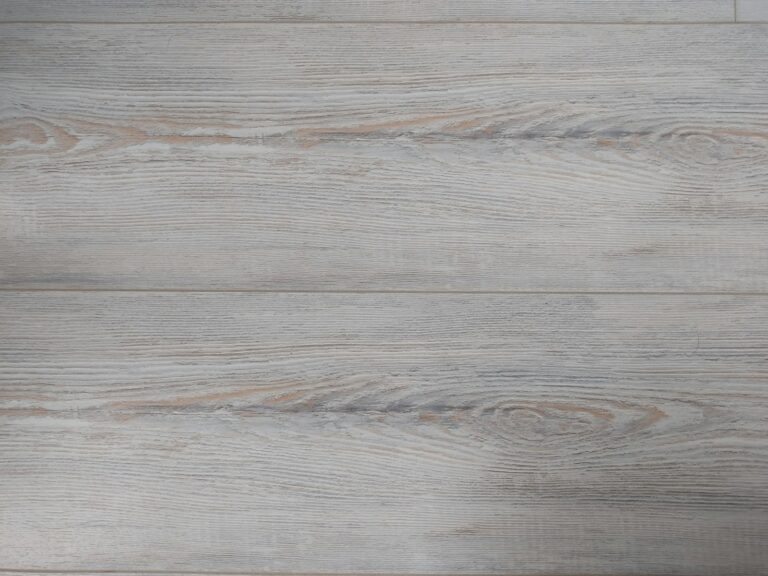
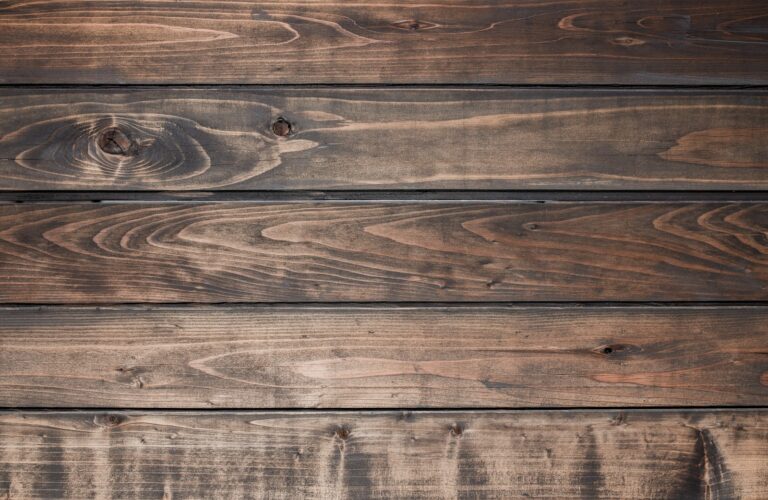
Matte: 10–25% light reflectance. The surface absorbs most light, giving wood a raw, almost unsealed appearance. Increasingly common in Scandinavian, Japandi, farmhouse, and organic-modern interiors.
Satin: 35–45% reflectance. The most widely sold finish in North America. Enough glow to read as finished without the amplification effects of gloss. Widely recommended by flooring professionals as the practical middle ground.
Semi-gloss: 55–65% reflectance. Noticeable shine. Works well in formal rooms and low-traffic areas where visual impact matters more than forgiveness.
High gloss: 70% or above. Mirror-like surface. Dramatic, elegant, unforgiving. The finish most associated with luxury settings, ballrooms, and formal dining rooms — contexts where the floor is admired more than it’s lived on.
Understanding where each option falls on this scale makes the downstream comparisons around maintenance, durability perception, room size, and lifestyle fit a lot easier to reason through.
High Gloss Hardwood Finish: What It Actually Delivers
The Visual Case for High Gloss
There’s a reason high gloss has been used in grand interiors for centuries. Light reflecting off a mirror-like floor creates depth, amplifies the natural grain and color variation of the wood, and gives any room a sense of formality and scale. In a room with limited natural light, a high-gloss floor can function almost like a secondary light source — bouncing illumination from windows across the entire space in a way that lower-sheen surfaces cannot.
High gloss also makes wood species pop in ways that matter if you’ve invested in premium species. The figure in quartersawn white oak, the chatoyance in tiger maple, the depth of dark-stained walnut — a high-gloss finish puts all of that on display. If the wood is the design feature, gloss amplifies it.
The Maintenance Reality of High Gloss
The same reflectivity that makes high-gloss floors beautiful makes them brutally honest. Every piece of dust, every footprint, every pet hair, every scratch — all of it is visible. The physics work against you: a flat, highly reflective surface reflects light at a consistent angle, so any disruption in that surface creates a contrast that the eye immediately picks up.
This means high-gloss floors need to be swept, dry-mopped, or vacuumed (with a hard-floor attachment) daily or close to it in any home with regular foot traffic. Damp mopping must use minimal water and hardwood-specific cleaners — standing moisture or the residue from general-purpose cleaners clouds the surface over time. Microfiber is essentially non-negotiable. Any abrasive pad or rough material will scratch the finish on contact.
Over time, high-gloss floors in active households develop what the industry calls “micro-scratching” — a fine network of hairline scratches from normal foot traffic that collectively dull the reflective surface in ways that become increasingly difficult to clean away. This is when the floor needs professional buffing or, eventually, a full refinish. If you’re comfortable with that maintenance cycle and have the budget for periodic professional attention, high gloss can remain stunning for years. If you’re not, it will start looking worn faster than a lower-sheen floor would.
Where High Gloss Makes Sense
High gloss performs best in controlled environments: formal living rooms, dining rooms, home offices, bedrooms, and other spaces where barefoot or sock-clad adults are the primary traffic. It’s a poor choice for entryways, kitchens, hallways, or any area that doubles as a thoroughfare for kids, dogs, or anyone coming in from outside. The more a surface is treated as a pass-through, the faster the micro-scratch pattern accumulates.
It’s also worth thinking about sunlight. High-gloss surfaces in rooms with direct sun exposure can create significant glare at certain times of day — enough to be uncomfortable. Matte and satin finishes absorb light rather than bouncing it, making them far easier to live with in sun-heavy rooms.
Matte Hardwood Finish: What It Actually Delivers
The Visual Case for Matte
Matte finishes have become the dominant choice in contemporary residential design, and not for superficial reasons. A matte-finished floor looks closer to raw, unsealed wood — which is precisely the aesthetic that modern interiors are chasing. The visual effect reads as natural, calm, and tactile in a way that gloss never does. Light is absorbed rather than bounced, which means rooms feel grounded and cohesive rather than dramatically activated.
This quality makes matte finishes extraordinarily versatile. They work in minimalist spaces where the goal is to recede. They work in warm, layered interiors where you want floors that support a furniture arrangement rather than compete with it. They work in high-ceiling rooms where a reflective floor would create visual chaos, and in low-ceiling rooms where a matte floor stops the space from feeling like a funhouse mirror.
The Maintenance Reality of Matte
Because matte surfaces scatter light rather than reflect it cleanly, imperfections that would glow on a high-gloss floor are largely invisible. Dust, pet hair, minor scuffs, small scratches, water spots — none of these generate the kind of visual contrast that makes them immediately obvious. You can go longer between cleanings without the floor looking neglected, which is not a trivial benefit in households with children, multiple pets, or simply a busy daily rhythm.
This is the single most common reason flooring professionals recommend matte for active households. The floor doesn’t demand daily attention to look presentable, and when it is cleaned, it doesn’t require the same level of precision and product specificity that gloss does. A good microfiber mop and a hardwood-appropriate cleaner are sufficient.
One point of clarification worth making: matte does not mean scratch-proof. The scratches still happen — the finish just doesn’t amplify them. If you were to look at a matte floor under raking light at a sharp angle, surface wear would be visible. In normal living conditions and normal lighting, it’s largely hidden.
Where Matte Makes Sense
Matte finishes are the default recommendation for open-plan living spaces, entryways, kitchens, hallways, children’s bedrooms, and any area that takes consistent daily traffic. They’re also the standard recommendation for homes with pets — not because the finish is harder, but because claw marks and scuffs don’t register visually the way they do on gloss.
If you’re choosing flooring for a rental property, matte is almost certainly the right call. Lower visual maintenance requirements mean fewer tenant complaints, and the finish remains presentable longer before a professional refinish becomes necessary.
The Oil-Based vs. Water-Based Dimension
The choice of sheen interacts meaningfully with the choice of polyurethane base, so understanding both together matters more than treating them as separate decisions.
Oil-based polyurethane carries a warm amber tint that deepens over time. It highlights wood grain, adds warmth to golden and brown wood tones, and delivers excellent durability — particularly in high-traffic applications. The trade-off is longer drying time (typically 24 hours between coats), higher VOC levels that require ventilation and vacating the home during application, and a full curing period of around 30 days before the floor reaches its maximum hardness.
Water-based polyurethane dries clear with minimal color shift, which makes it the preferred choice for light-colored species, gray-washed stains, whitewash finishes, and any floor where you want to preserve the wood’s natural tone exactly as it is. It dries faster, emits fewer VOCs, and has become the dominant choice in contemporary residential projects. Modern water-based formulas have largely closed the durability gap that historically favored oil-based products.
When combined with a matte finish, water-based polyurethane produces a result that looks almost raw — like the wood was lightly buffed and left alone. Oil-based matte delivers the same low-reflectance appearance but with a warm undertone. When combined with high gloss, oil-based creates a rich, amber-tinged mirror surface, while water-based gloss reads cooler and more crystal-clear.
Neither combination is universally correct. The choice depends on the wood species, the stain (if any), the room’s lighting, and the aesthetic you’re building toward. If you want to understand how wood species choices feed into this decision, the comparison between red oak and white oak is a useful reference point — each species responds differently to the same finish.
Room-by-Room Breakdown: Which Finish Belongs Where
Entryways and Hallways
Matte or satin, without question. These are the highest-traffic areas in any home, the surfaces that take the most abuse from shoes, tracked-in debris, and weather. High gloss in an entryway will show wear faster than anywhere else and will require the most maintenance to look presentable. Matte finishes take all of this without advertising it.
Living Rooms
Both finishes can work, depending on the function of the room. A formal sitting room used primarily for guests is a legitimate high-gloss candidate. An everyday living room where the household spends most of its time — with kids, pets, and furniture moving — is better served by matte or satin. For design ideas specific to this space, the living room flooring guide covers the broader set of decisions involved.
Kitchens
Matte or satin. Kitchens generate constant traffic, regular water exposure from cooking and cleaning, and the occasional spill. High gloss in a kitchen will look dirty more often than not, and water marks from daily mopping will show up clearly on the reflective surface. A matte finish handles kitchen conditions with far less visible wear. This is worth keeping in mind if you’re cross-shopping hardwood against other options, since kitchen-specific flooring decisions involve more variables than finish alone.
Bedrooms
Either finish works well in bedrooms. Traffic is low, maintenance demands are lower, and the aesthetic priorities of the space matter more than practical durability concerns. If you want the dramatic look of high gloss and you have a bedroom that can support it, this is one of the few rooms where it’s largely a pure aesthetic decision.
Dining Rooms
Semi-gloss or high gloss can be appropriate here, particularly in formal dining rooms that don’t see daily casual traffic. Chair legs are the primary wear factor — consider felt pads on all chair legs regardless of finish, as these eliminate the micro-scratch accumulation that chair movement causes on any sheen level.
Stairs
Matte or satin, with a strong lean toward matte. High-gloss stair treads create glare that can obscure step edges, which is a legitimate safety concern. They also wear visibly in the center of each tread very quickly under normal foot traffic. Matte finishes on stairs remain presentable far longer and don’t carry the glare issue.
Pets, Kids, and High-Traffic Households: The Practical Decision
If there are dogs in the house, the finish decision is essentially made for you. Dog claws — even trimmed ones — create micro-scratches on every step across a hard floor. On a high-gloss surface, these scratches form a visible network that develops over months and becomes difficult to address short of a full refinish. On a matte surface, those same scratches are largely invisible in normal lighting conditions.
The same logic applies to households with young children. Toy cars dragged across the floor, furniture slid during play, dropped objects — all of these leave marks that high-gloss amplifies and matte absorbs without visual drama. Matte finishes also reduce glare-related slipping hazards, a consideration that applies to homes with elderly residents or anyone with mobility considerations.
For anyone navigating the broader question of hardwood suitability across different household conditions, the best wood flooring for pets guide covers the species and installation variables that matter alongside finish selection.
Refinishing: What Each Finish Demands Over Time
Hardwood floors are one of the few flooring types that can be refinished rather than replaced — but the finish level significantly affects how often that process becomes necessary and how visible the floor’s age is in the meantime.
High-gloss floors typically reach a point where refinishing becomes visually necessary sooner, because micro-scratching and surface wear on a reflective surface becomes progressively more visible over time. In an active household, a high-gloss floor might look noticeably worn within five to seven years. Matte floors in the same household might remain presentable for ten to fifteen years before a refinish is needed, because the same wear pattern simply doesn’t register visually.
The refinishing process itself is the same regardless of finish — sanding, staining if desired, and recoating. But the choice of finish on the recoat is not locked to the original. Switching from semi-gloss to satin (or vice versa) is straightforward as long as you maintain the same polyurethane base (oil-to-oil or water-to-water). Switching bases requires either a six-month waiting period or a full sand-down before recoating, due to adhesion chemistry differences between the two systems.
The full process of refinishing hardwood floors is worth understanding before committing to a finish level — particularly if you’re working with an existing floor and considering changing the sheen as part of a renovation.
Common Mistakes People Make When Choosing Hardwood Finish
Evaluating Finish Under Showroom Lighting
Showrooms are lit to make floors look their best. High-gloss floors in a showroom look spectacular under controlled, even overhead lighting. That same floor in your home, under raking afternoon light from a west-facing window, will show every dust particle and foot scuff in sharp relief. Always ask for a sample board to take home and evaluate under your actual lighting conditions before committing.
Assuming Gloss Means Harder
This is one of the most persistent misconceptions in flooring. A glossy finish is not a harder finish. The protective properties of the polyurethane are determined by the chemistry of the product, not by its sheen level. A gloss topcoat and a matte topcoat from the same product line will wear at exactly the same rate. The only difference is how that wear becomes visible.
Choosing High Gloss for the Kitchen or Entryway
The appeal is understandable — a high-gloss kitchen floor looks extraordinary in design inspiration photos. But those photos are taken the day of installation under professional photography lighting, not six months later under daily use. The maintenance burden in these high-traffic, high-exposure zones makes high gloss a genuinely poor choice for most households.
Not Accounting for Existing Wood Condition
High-gloss finishes amplify everything — including any subfloor irregularities, surface repairs, fill marks, or variation in sanding quality. A floor with even minor imperfections in the substrate or the sanding prep will have those imperfections put on display by a gloss topcoat. Matte is far more forgiving of surface variation. This is particularly relevant when refinishing older floors or preparing a subfloor for new installation.
High Gloss vs. Matte: The Honest Summary
High gloss delivers a dramatic, formal aesthetic that amplifies wood grain, reflects light, and makes a strong visual statement. It requires consistent maintenance, shows wear earlier in active households, and performs best in low-traffic formal spaces where the floor is admired more than it is lived on.
Matte delivers a natural, understated appearance that hides day-to-day wear, requires less intensive maintenance, performs well across virtually every room type, and currently aligns with the dominant direction of residential design. It is the lower-maintenance choice and the better choice for most households with children, pets, or simply limited time for floor upkeep.
Satin sits between the two and represents a genuine middle path — enough glow to read as finished and elegant, enough forgiveness to handle active household conditions without constant attention. It’s not a compromise in the pejorative sense; it’s a thoughtful synthesis of the two approaches, and it’s been the best-selling hardwood finish option for good reason.
The right choice depends on how you actually use your home. Flooring choices made to match a design mood board need to be stress-tested against your household reality — the dog, the kids, the morning coffee spill, the afternoon sun — before the finish goes down and locks in for the next decade. For a broader picture of how finish fits within the full range of decisions involved in a hardwood installation, the hardwood flooring buying guide covers species, installation method, subfloor prep, and cost alongside the finish decision.
Frequently Asked Questions
Does a high-gloss finish make hardwood floors more durable?
No. Sheen level does not affect durability. A high-gloss finish and a matte finish from the same product line offer identical protection. What changes is how wear becomes visible — high gloss shows it earlier and more dramatically.
Can I change from high gloss to matte when I refinish?
Yes, as long as you stay within the same polyurethane base. Switching from oil-based gloss to oil-based matte (or water-based to water-based) is straightforward. Switching from oil-based to water-based or vice versa requires either a six-month waiting period or a full sand-down first.
What is the most popular hardwood floor finish right now?
Satin and matte finishes currently dominate the market, with the trend moving clearly toward lower-sheen options. High-gloss floors are increasingly associated with older installation styles, while matte and satin align with contemporary design directions.
Is matte finish harder to clean than high gloss?
No — the opposite is true for most households. Matte finishes hide dust, footprints, and minor scuffs better, which means they look clean for longer between cleaning sessions. High-gloss floors require more frequent attention to maintain their appearance.
Does high gloss hardwood increase home resale value?
Not reliably. Current buyer preferences favor natural and lower-sheen finishes. A high-gloss floor in a home being prepared for sale may actually be seen as dated by buyers who prefer the current aesthetic. The relationship between flooring finish and resale value is shaped primarily by current market taste rather than any objective quality difference.
What sheen should I choose for hardwood floors with underfloor heating?
Either finish can be used over radiant heat systems, but the wood species and installation method matter more than the finish when underfloor heating is involved. The finish choice remains the same regardless — choose based on lifestyle and aesthetic preference. The compatibility questions specific to hardwood flooring over underfloor heating center on moisture, expansion gaps, and wood thickness rather than sheen level.
James Miller is a seasoned flooring contractor with years of hands-on experience transforming homes and businesses with high-quality flooring solutions. As the owner of Flooring Contractors San Diego, James specializes in everything from hardwood and laminate to carpet and vinyl installations. Known for his craftsmanship and attention to detail, he takes pride in helping clients choose the right flooring that balances beauty, durability, and budget. When he’s not on the job, James enjoys sharing his expertise through articles and guides that make flooring projects easier for homeowners.
Most flooring guides will tell you laying wood over tiles is straightforward. Inspect the tiles, add underlayment, install the planks. Done. That framing skips most of the problem. It skips what happens when a single loose tile causes an engineered plank to delaminate six months later. It skips what happens when your tile floor has…
Your carpet does not tell you when it is done. It does not send a notification, throw an error, or visually collapse in a way that makes the answer obvious. It just accumulates — slowly, silently, and in layers that regular vacuuming cannot reach. By the time most homeowners recognize a problem, the carpet has…
Laminate flooring has earned its reputation as one of the most cost-effective ways to completely transform a room, and in 2025 and 2026, the gap between affordable laminate and the real thing has never been smaller. Modern manufacturing has produced options that genuinely fool the eye, with realistic wood grain textures, embossed surfaces, and color…
Farmhouse style is rooted in something most homeowners genuinely want: a space that feels warm, unhurried, and honest. Not perfectly curated, but layered. Not spotless, but well-loved. And the floor is exactly where that feeling begins. Vinyl flooring has quietly become the go-to material for achieving this aesthetic without the headaches that come with genuine…
The kitchen is the most demanding room in any home for flooring. It collects spill after spill, bears the brunt of dropped cast iron pans, and sees more foot traffic before noon than most rooms see all day. Yet hardwood remains one of the most sought-after materials for kitchen floors, not because it is the…
Hardwood flooring is one of the most consequential decisions you will make for a home. Get it right, and a floor can last a century. Get it wrong, and you are looking at cupping, gapping, or a surface that clashes with everything around it within a few years. The problem is that “hardwood flooring” is…