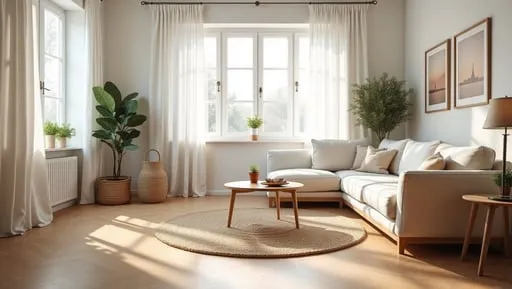
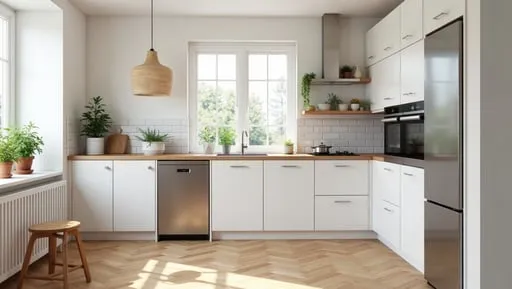
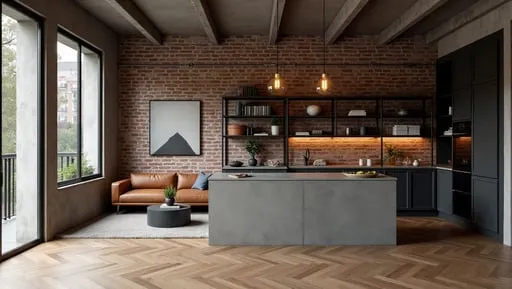
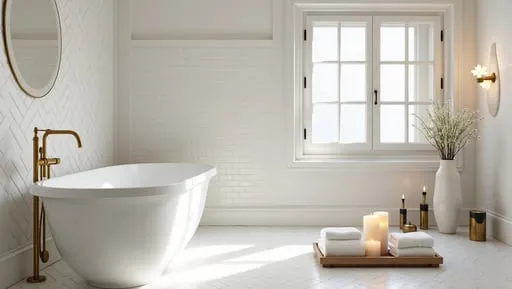
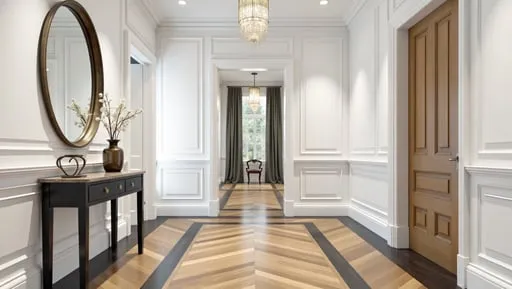
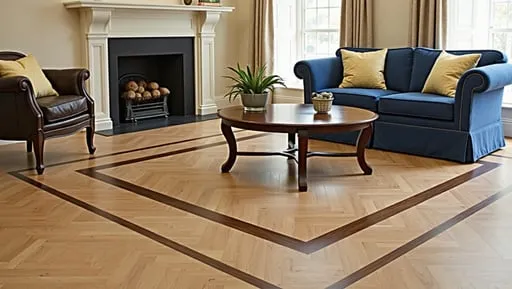
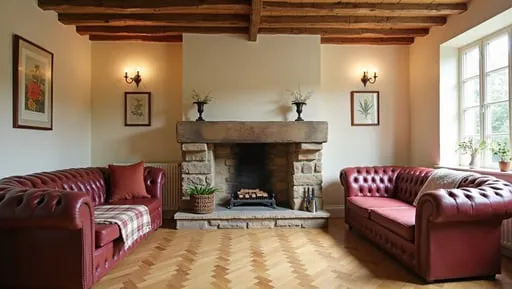
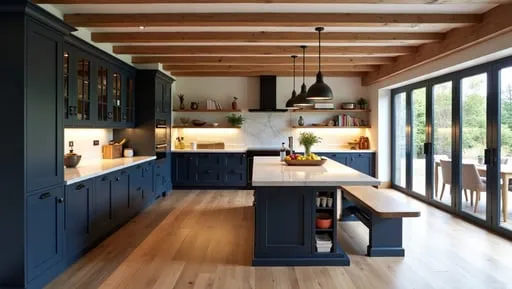
For the best visual result, choose a light oak laminate with a realistic embossed-in-register (EIR) surface texture. This technology aligns the embossing directly with the printed grain underneath, creating a floor that looks and feels like real hardwood. An AC4 wear rating is ideal for living rooms, offering excellent resistance to everyday foot traffic, pet activity, and the occasional dragged chair.
When it comes to installation, a classic light oak herringbone looks particularly striking when laid at a 45-degree angle to the walls. This diagonal placement maximises the visual drama of the pattern and makes the room feel noticeably wider. Be sure to factor in additional material — herringbone installations typically require about 15 percent more planks than straight-lay projects due to the angled cuts at the perimeter.
2. Charcoal Grey Herringbone for a Bold, Contemporary Statement
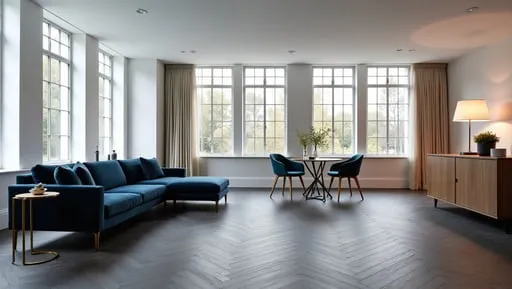
For homeowners who want their flooring to make a confident, unmistakably modern statement, charcoal grey herringbone laminate is a spectacular choice. The deep, cool tones of the planks — often featuring subtle undertones of slate blue or warm graphite depending on the product line — give a room an instant sense of sophistication and visual weight that lighter floors simply cannot achieve.
This colour works best in spaces with generous natural light, where the herringbone pattern can be fully appreciated without the room feeling too heavy or enclosed. Think open-plan kitchen-diners, home offices with large windows, or spacious hallways where the dramatic floor can be seen from a distance. Against white or light grey walls, charcoal herringbone laminate creates a stunning tonal contrast that feels gallery-like and considered.
One of the most effective ways to use this floor is to pair it with brass or matte gold hardware and fixtures. The warmth of the metal against the coolness of the grey creates a beautifully balanced tension that feels both luxurious and contemporary. Velvet furniture in deep jewel tones — navy, emerald, or burgundy — also sits beautifully on charcoal herringbone, creating a rich layered interior that feels genuinely curated.
From a practical perspective, charcoal grey laminate is one of the most forgiving shades for showing dust and light-coloured pet hair, making it a smarter choice than very dark tones for busy family homes. Look for products with a brushed or hand-scraped surface finish, as these textures help to disguise minor scuffs and micro-scratches that can be more visible on smooth, high-gloss surfaces.
3. White Washed Herringbone for a Coastal or Bohemian Vibe
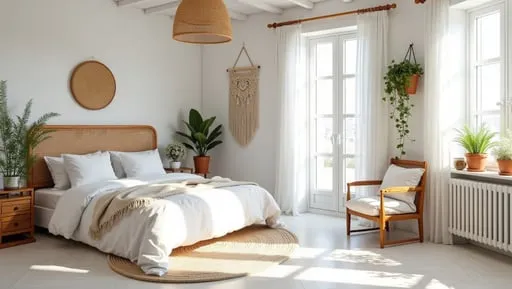
White washed or bleached herringbone laminate brings an effortlessly relaxed, almost beach-house quality to interiors that is enormously appealing in today’s design landscape. The pale, sun-bleached tones of these planks — often featuring a slightly aged or distressed finish with soft grey undertones — evoke driftwood, whitewashed timber, and the casual elegance of coastal living.
This floor pairs beautifully with natural textures like jute, rattan, linen, and raw cotton. In a bedroom, it creates an incredibly serene backdrop that makes the entire room feel calm and restful. In a living room, it combines with a mix of tropical plants, woven pendant lights, and relaxed, low-slung furniture to produce that effortless bohemian aesthetic that has been so popular in interior design in recent years.
White washed herringbone also has a remarkable ability to make small rooms feel significantly larger. The pale tone reflects light back into the space, and the directional geometry of the herringbone pattern adds the illusion of extra length. For particularly compact rooms, consider laying the planks so that the central spine of the herringbone points directly away from the main entrance — this draws the eye deeper into the room and creates a sense of extended depth.
One practical consideration with very pale laminates is that they can show scuff marks from rubber-soled footwear slightly more than mid-tone floors. Choose a product with a matte or satin finish, as this will be far more forgiving than a gloss surface. Regular dry mopping is all that is needed to keep this floor looking fresh and clean.
4. Warm Walnut Herringbone for a Rich, Inviting Dining Room
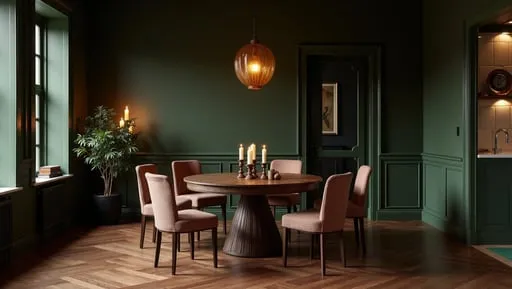
Warm walnut herringbone laminate brings a depth and richness to dining rooms that genuinely elevates the entire eating experience. The chocolate-brown tones of walnut, with their characteristic straight grain and occasional darker streaks, create a floor that feels inherently grounded and luxurious — the kind that makes guests immediately feel welcome and at ease.
In a dining room specifically, herringbone walnut laminate works beautifully beneath a round or oval dining table, where the circular shape of the furniture softens the angular geometry of the floor pattern and creates a beautifully composed visual. A statement pendant light in dark metal or amber glass hung centrally over the table will tie the warm tones of the floor with the ceiling, creating a cocooning effect that is perfect for evening entertaining.
The herringbone layout in walnut tones also partners exceptionally well with painted cabinetry — particularly in shades of deep green, forest sage, or dusty terracotta — creating an earthy, European-inspired dining room that feels both rooted and sophisticated. Add upholstered chairs in a complementary velvet or boucle fabric and you have a dining room that would not look out of place in a high-end design magazine.
From a durability perspective, walnut-toned laminates are among the most practical options for dining areas, as the medium-dark tone is excellent at hiding crumbs, dust, and the inevitable food splashes that accompany family mealtimes. Choose a product with at least an AC4 wear rating for longevity, and ensure it has a water-resistant core layer if your dining room connects directly to the kitchen.
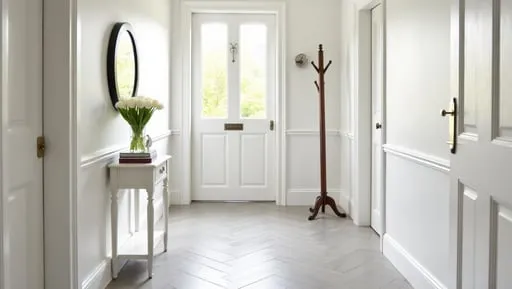
5. Pale Grey Herringbone to Brighten a Dark Hallway
Hallways are one of the most underappreciated canvases in the home, and pale grey herringbone laminate is one of the most powerful tools for transforming a dark, narrow corridor into something that genuinely sets a positive tone for the entire house. The cool, light-reflective quality of pale grey bounces natural and artificial light around the space, while the directional energy of the herringbone pattern creates a strong visual runway that makes the hallway feel intentional and designed rather than merely functional.
The key to success with pale grey herringbone in a hallway is in the direction of the lay. Orienting the central spine of the pattern so that it runs parallel to the length of the hallway — pointing visitors toward the main living space — creates a welcoming, almost ceremonial feel. This approach has been used in grand historic homes for centuries and translates beautifully into modern terraced houses and apartments.
Pale grey also has a wonderful neutrality that allows it to transition seamlessly between different rooms. If your hallway connects a living room, kitchen, and staircase, a pale grey herringbone will complement virtually any colour scheme it borders, acting as a visual bridge rather than a jarring interruption. This makes it an especially smart choice for homes with open-plan layouts or multiple adjoining rooms.
For hallways specifically, look for laminate with a high AC rating — AC5 if possible — as entrance areas endure some of the heaviest foot traffic of any room in the home, along with the grit and moisture brought in from outside. A water-resistant or fully waterproof option is also worth the small additional cost for peace of mind, particularly if you live in a region with a wet climate.
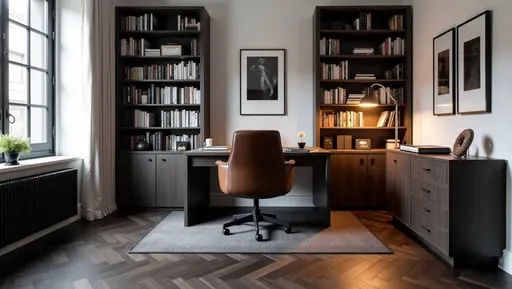
6. Dark Ebony Herringbone for a Dramatic Home Office
A home office is one of the few rooms in the home where you can justify a genuinely dramatic design choice, and dark ebony or near-black herringbone laminate delivers drama in the most controlled, refined way possible. The deep, near-black tone creates an atmosphere of focused calm — a studiousness that is fitting for a space dedicated to concentration and productivity.
Ebony herringbone laminate works best in home offices that have either good natural light or a considered artificial lighting scheme. Rather than fighting against the darkness of the floor, lean into it with moody, layered lighting — a combination of task lighting on the desk, ambient lighting from a floor lamp, and perhaps a strip of warm LED lighting beneath shelving units. This creates a cave-like atmosphere that many people find genuinely conducive to deep work.
Against dark floors, lighter elements take on extra visual prominence. White or cream walls will feel crisp and luminous, white bookshelves will seem to float, and any artwork or framed prints will command immediate attention. This inherent contrast makes dark herringbone particularly effective in creative studio spaces, where the dramatic backdrop encourages bold thinking.
One practical consideration worth noting is that very dark laminates, while stunning, do tend to show dust more visibly than mid-tone options. In a home office where the floor is often visible from a seated position, this means regular dry mopping is advisable. Choosing a product with a subtle surface texture — a slight saw-cut or wire-brushed effect — will help to mitigate the visibility of dust between cleaning sessions.
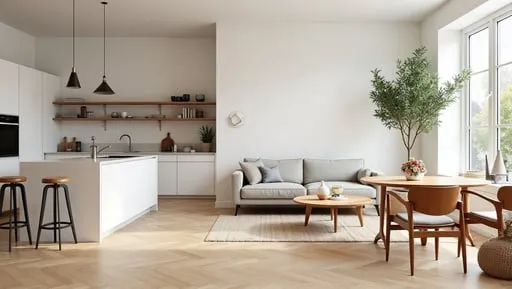
7. Natural Beige Herringbone for an Understated Open-Plan Space
Natural beige herringbone laminate occupies a wonderfully versatile middle ground — it has enough warmth to feel inviting and lived-in, but enough neutrality to work as a backdrop for almost any furniture style or colour palette. In open-plan spaces where the floor needs to flow coherently from a living zone through a dining area and into a kitchen, beige herringbone is arguably the most intelligent choice you can make.
The great strength of this tone in open-plan settings is that it neither competes with nor retreats from the furniture and decoration around it. Brightly coloured sofas, bold pendant lights, eclectic artworks, and dramatic kitchen cabinetry all read clearly and confidently against a beige herringbone base, because the floor acts as a grounding, unifying element rather than a decorative focal point in its own right.
In family homes, beige herringbone laminate also offers a genuinely practical advantage in that it is an excellent middle-toned shade for hiding the everyday evidence of family life — crumbs, mud, pet hair, and the general accumulation of daily dust — while still looking clean and bright when freshly mopped. This makes it the pragmatic choice that does not require you to sacrifice aesthetics for practicality.
Consider pairing this floor with underfloor heating, as laminate is compatible with hydronic and electric systems when properly specified. In a large open-plan space, the combination of warm beige tones, herringbone geometry, and the gentle radiant warmth underfoot creates a space that feels genuinely luxurious even on a budget-conscious build.
For more ideas on how herringbone flooring can work across different room layouts, take a look at our guide on 13 Open Plan Laminate Flooring Ideas.
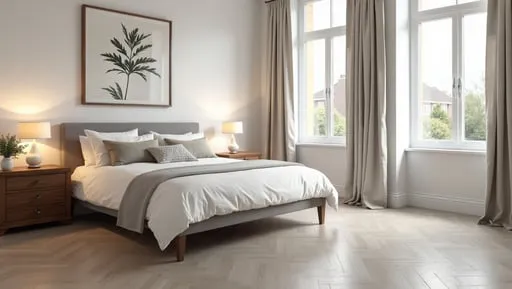
8. Grey-Brown (Greige) Herringbone for Maximum Versatility
Greige — the much-loved design blend of grey and beige — has dominated interior flooring trends for the past several years, and when combined with the herringbone pattern, it produces a floor that feels genuinely timeless rather than trend-dependent. The dual-tone quality of greige laminate means it reads as warm in warm light and cool in cool light, which gives it a chameleonic quality that makes it compatible with an extraordinary range of interior colour palettes.
For homeowners who are uncertain about committing to a strongly warm or strongly cool tone, greige herringbone is the safest and most rewarding compromise available. It pairs with the crisp whites of modern interiors as readily as it sits alongside the earthy ochres and terracottas of a more natural, organic decorating scheme. Grey furniture looks purposeful on it, brown furniture looks warm, and white furniture looks fresh — this versatility is almost unparalleled in the laminate flooring market.
In practice, greige herringbone is particularly popular in bedrooms, where the calm, neutral quality of the tone creates a restful atmosphere and allows bedding, curtains, and soft furnishings to take centre stage without the floor competing for attention. It is also a brilliant choice for properties that are being styled for sale, as the universally appealing tone tends to resonate positively with the widest possible range of potential buyers.
When selecting a greige laminate, pay close attention to the undertones on a physical sample rather than a screen image, as the balance between the grey and beige can vary quite significantly between products. Hold the sample against your wall colour and your existing furniture in the actual room lighting conditions before committing.
9. Blonde Ash Herringbone for a Fresh Scandinavian Kitchen
Kitchens are not always the first room people consider for herringbone laminate, but the result can be genuinely spectacular, particularly when using a light blonde ash tone in a Scandinavian-inspired design scheme. The pale, cool-toned planks with their fine, relatively uniform grain create a clean, hygienic-looking surface that feels appropriate for a food preparation space while still being stylistically interesting.
In a kitchen, the herringbone pattern serves a particularly useful practical purpose beyond aesthetics — the smaller plank size typical of herringbone installations means that any chips or damage is isolated to a much smaller area than it would be with wide planks, and individual sections can be more easily replaced if necessary. This is a real practical consideration in kitchens, where dropped pots, dragged appliances, and the repeated rolling of office chairs can cause localised wear.
Blonde ash herringbone works beautifully with white or very pale grey kitchen cabinetry, creating that clean, effortless Scandinavian aesthetic that seems never to go out of fashion. Add a warm wooden worktop, brushed stainless steel appliances, and a simple pendant light in white or natural rattan, and the kitchen will feel cohesive, calm, and beautifully considered. It also looks stunning beneath handleless matt cabinetry in dusty blue or sage green, creating a slightly warmer, more characterful Scandi scheme.
From a moisture perspective, ensure any laminate chosen for a kitchen has genuine water resistance — ideally a water-resistant core rather than just a water-resistant wear layer — as kitchens are subject to regular splashing, steam, and the occasional significant spillage. Many premium herringbone laminate products now offer this feature as standard.
10. Smoked Oak Herringbone for Industrial-Chic Interiors
Smoked oak laminate — with its characteristic grey-brown tones, pronounced grain, and slightly aged appearance — is one of the most compelling options for creating an industrial or urban-loft aesthetic when used in a herringbone layout. The smoky, nuanced coloration of the planks adds a sense of depth and history to the floor that feels at home alongside exposed brick, raw steel, concrete, and leather — all the hallmarks of the industrial interior style.
The herringbone pattern in smoked oak tones has a particular energy in open, loft-style spaces with high ceilings. The repetitive geometric movement of the pattern helps to define zones within a large undivided space without using physical walls or partitions, which is invaluable in open-plan living arrangements. A living zone, a dining zone, and a study zone can each feel distinct and purposeful even when they flow into one another continuously.
Smoked oak herringbone also combines brilliantly with the current trend for mixed-metal interiors — spaces that incorporate brass, copper, brushed steel, and black iron in a single room. The complex, multi-tonal quality of the smoked surface reflects and absorbs light differently from different angles, meaning the floor appears almost to shift in tone as you move through the space, which adds a sophisticated, gallery-like quality to everyday living.
For the most authentic smoked oak effect, seek out laminate products with a highly detailed photographic layer that includes genuine variation in plank tone — a mix of lighter and darker planks — rather than products that repeat the same pattern too frequently. This random plank effect is crucial to preventing the floor from looking patterned or synthetic upon close inspection.
11. White Herringbone Laminate for a Light-Filled Bathroom Alternative
While it is not the most conventional choice, high-quality waterproof white herringbone laminate can be used in bathrooms and utility spaces as a genuine alternative to ceramic or porcelain tile, provided the product is specifically rated for wet area use. The result is a bathroom that has the warmth and visual softness of wood without the cold hardness of ceramic underfoot — a combination that many homeowners find far more comfortable and pleasant in everyday use.
White herringbone in a bathroom creates an instantly spa-like atmosphere. The clean, pale tone combined with the intricate geometric pattern brings a tailored, boutique hotel quality to even the most modest bathroom space. Pair it with white metro tiles on the walls, brushed chrome or brass fixtures, and a large freestanding mirror for a look that feels both classic and contemporary.
The herringbone pattern is particularly effective in bathrooms because it works as a natural visual divider — rather than having a single expanse of white floor that can look flat and uninspiring, the geometric arrangement of planks creates texture and movement that makes the floor feel like a design feature rather than a background material. This is especially valuable in small bathrooms, where a single interesting feature can transform the entire character of the space.
If you are considering laminate in a bathroom, the most critical specification to confirm is that the product has a fully waterproof core — not just a water-resistant surface layer. Look for products with a rigid core WPC (Wood Plastic Composite) or SPC (Stone Plastic Composite) construction, as these will not swell, buckle, or delaminate when exposed to the prolonged moisture typical of bathroom environments.
12. Two-Tone Herringbone for a Bespoke, Custom Look
For homeowners who want a truly unique flooring installation that cannot be replicated, a two-tone herringbone design — alternating between two complementary laminate colours or tones within the same herringbone pattern — creates a bespoke, almost inlaid effect that looks extraordinarily sophisticated and intentional. This technique has been used in European palaces and grand manor houses for centuries, and modern laminate makes it achievable at a fraction of the cost of genuine marquetry or wood inlay.
The most successful two-tone combinations tend to work with tones that are clearly different but drawn from the same colour family — a light and medium oak, a pale and mid-grey, or a natural beige paired with a warm white. Too great a contrast, such as pairing a black with a white, can tip from elegant into visually overwhelming, and should be reserved for very specific, high-design applications where the floor is intended to be the dominant visual statement in the space.
In a grand hallway or entrance foyer, a two-tone herringbone in light and dark oak creates an immediate impression of quality and craftsmanship that elevates the perception of the entire home. In a dining room, a two-tone design can be used to define the central dining zone — almost like an area rug that is integral to the floor itself — creating a natural boundary around the table that feels both practical and decorative.
The practical consideration with two-tone herringbone is that it requires careful planning and a higher level of installation skill than a standard single-colour herringbone. The planks of each colour must be alternated with precision to maintain the regularity of the pattern, and any deviation becomes highly visible. Always use an experienced installer who has completed two-tone herringbone installations before, and ask to see examples of their previous work.
13. Herringbone Laminate with a Feature Border for a Polished Finish
Adding a straight-laid border around the perimeter of a herringbone floor is one of the most effective finishing techniques in residential flooring design. The border — typically two to four planks wide and laid in a straight horizontal and vertical arrangement — creates a visual frame around the herringbone field, containing the pattern within it and giving the entire floor a finished, considered quality that immediately elevates the room.
This technique is borrowed directly from the vocabulary of traditional stone and hardwood flooring in grand historic buildings, where borders were used to define room boundaries and mark transitions between spaces. In a modern home, it brings the same sense of architectural intention and design literacy, communicating to anyone who enters the room that the floor has been genuinely thought about rather than simply installed.
The border is most impactful when made from the same laminate in a contrasting orientation — if the central field is herringbone at 45 degrees, the border planks laid horizontally and vertically create a strong visual contrast. Alternatively, a different but complementary tone can be used for the border — a dark walnut border surrounding a light oak herringbone field, for instance, creates a bold graphic frame that is highly reminiscent of classical parquet flooring.
From an installation perspective, the border must be planned and laid first before the central herringbone field is installed. The dimensions of the room need to be measured carefully so that the border is evenly proportioned on all four sides, which requires precise calculation and often involves some cutting to accommodate the specific room dimensions. This additional complexity is very much worth the extra effort in terms of the finished result.
If you love the idea of layered patterns in your flooring, you might also enjoy our article on 15 Herringbone Hardwood Flooring Ideas for further inspiration across different materials.
14. Narrow Plank Herringbone for Period Properties and Cottage-Style Homes
Narrow plank herringbone laminate — using planks that are approximately 60 to 80mm wide rather than the more common 120 to 150mm — creates an intricate, finely detailed floor that has a distinctly historical character. This scale is closely aligned with the proportions of genuine antique parquet flooring found in Georgian and Victorian townhouses, making it the ideal choice for period properties where you want the floor to feel authentic to the age of the building.
The greater number of planks per square metre in a narrow herringbone installation creates a floor that is visually richer and more detailed than its wider counterpart. From a distance, the pattern reads as a refined, even texture that adds complexity to the room without feeling chaotic or busy. This makes it particularly well-suited to rooms with strong architectural features — cornicing, panelling, sash windows, original fireplaces — as the intricate floor pattern complements rather than competes with those period details.
In cottage-style homes, narrow plank herringbone in a warm oak or aged pine tone creates an incredibly authentic, characterful interior that feels genuinely rooted in place and history. Pair it with original wooden beams, quarry tile accents, and natural stone elements to create a home that tells a believable and beautiful story about its history and origins.
One practical benefit of narrower planks in herringbone is that the smaller plank dimension makes the installation slightly more forgiving in rooms that are not perfectly square, as the angles and cuts at the perimeter are less dramatic than they would be with wider planks. This is a useful consideration in older properties where rooms are rarely perfectly rectangular.
15. Wide Plank Herringbone for Bold, Modern Farmhouse Spaces
At the opposite end of the plank width spectrum, wide plank herringbone laminate — using boards that are 150mm or wider — creates a bold, graphic floor with a distinctly contemporary character. The generous scale of each plank means the individual boards are clearly visible and read as strong design elements in their own right, giving the floor a confident, architectural quality that suits larger rooms and modern farmhouse interiors particularly well.
Wide plank herringbone in a natural grey-brown or weathered oak tone is one of the defining visual ingredients of the modern farmhouse aesthetic that has been so influential in interior design in recent years. The combination of the large-scale geometric pattern, the textured surface of the planks, and the warm-neutral colour palette creates a floor that feels simultaneously rustic and refined — connected to the tradition of farm buildings and barns but interpreted through a contemporary design lens.
In a large kitchen with an island, a wide plank herringbone floor creates an extraordinary sense of scale and drama. The bold geometry draws the eye from one end of the room to the other, making even very large spaces feel purposefully designed and proportioned. Combine it with shaker-style cabinetry in a deep navy or forest green, a marble worktop, and vintage-style hardware for a farmhouse kitchen that would not look out of place in a glossy interior magazine.
The increased plank width also has a practical advantage in that the total number of cuts required for the herringbone installation is reduced compared to narrow plank versions, which can reduce installation time and labour costs. However, the larger pieces are heavier and more difficult to handle precisely during installation, so a skilled and experienced installer is still essential for achieving the clean, crisp pattern alignment that makes wide plank herringbone so impressive.
For more design ideas that explore this scale and style, our guide on 13 Wide Plank Laminate Flooring Ideas is an excellent companion resource. And if you are specifically planning a farmhouse-style interior, our 15 Farmhouse Laminate Flooring Ideas guide will give you a wealth of additional direction.
Things to Consider Before Installing Herringbone Laminate Flooring
Before committing to a herringbone laminate installation, there are several important practical and aesthetic factors worth careful consideration. Understanding these in advance will help you make decisions that you will be genuinely satisfied with for years to come, and will prevent costly mistakes during the planning and installation phase.
The first and perhaps most important consideration is room size and ceiling height. Herringbone laminate is a visually active pattern that demands a certain amount of space to be fully appreciated. In very small rooms — a compact bathroom under four square metres, for instance, or a narrow galley kitchen — the pattern can feel overwhelming and busy rather than elegant. In these cases, a very fine narrow plank herringbone, or even a simple straight lay, may be a more successful choice. Conversely, herringbone absolutely thrives in large, high-ceilinged spaces where the pattern has room to breathe and the geometric movement can be seen in full.
The direction of the pattern installation is a decision that has significant visual consequences and deserves careful thought before laying begins. The central spine of the herringbone can run in any direction, and the most common choices are parallel to the longest wall (which elongates the room), at 45 degrees to the walls (which adds drama and a sense of movement), or aligned with the primary light source (which can make the pattern feel particularly dynamic as sunlight moves across it during the day). Always lay sample planks in the intended direction before committing, as the effect can look quite different in the actual room compared to computer-generated visualisations.
Material waste is a significant practical consideration that should be built into your budget from the start. Herringbone installations require substantially more material than straight-lay installations due to the angled cuts required at the room perimeter. As a general rule, budget for approximately 15 percent additional material on a standard herringbone layout, increasing to around 20 percent for a diagonal herringbone at 45 degrees and up to 25 percent for complex rooms with multiple alcoves, bay windows, or chimney breasts. Ordering insufficient material is a common and frustrating mistake that can result in mismatched batches if the product is reordered later.
Installation skill level is another critical factor. Herringbone laminate is significantly more demanding to install than straight-lay flooring and should not be approached as a DIY project by anyone without considerable flooring installation experience. The precision required to maintain perfectly straight, even pattern lines across an entire room, combined with the complexity of the angled perimeter cuts, means that errors become compounded quickly. A skilled professional installer will complete the job far more quickly and with far better results than an inexperienced DIY attempt, and the quality of the installation will make an enormous difference to how impressive the finished floor looks.
Finally, think carefully about the relationship between the herringbone floor and the skirting boards and transitions in the room. Herringbone floors typically look best with a relatively slim, understated skirting board profile, as a very deep or ornate skirting can interrupt the visual rhythm of the pattern at its edges. Threshold strips and transitions between the herringbone and other flooring materials in adjacent rooms should be planned in advance, as the angled cuts of the herringbone pattern at doorways require particular care to ensure a clean, professional finish.
James Miller is a seasoned flooring contractor with years of hands-on experience transforming homes and businesses with high-quality flooring solutions. As the owner of Flooring Contractors San Diego, James specializes in everything from hardwood and laminate to carpet and vinyl installations. Known for his craftsmanship and attention to detail, he takes pride in helping clients choose the right flooring that balances beauty, durability, and budget. When he’s not on the job, James enjoys sharing his expertise through articles and guides that make flooring projects easier for homeowners.
The living room is the hardest floor in the house to get right. It has to carry heavy furniture, survive family life, look good under both daylight and lamp light, and hold its design integrity for years without a refresh. Vinyl has quietly become the floor that does all of that better than almost any…
Farmhouse style has never really gone anywhere, but the way people are interpreting it has matured considerably. The barn-door-on-everything moment has given way to something more considered: spaces that feel grounded in natural materials, lived-in texture, and warm color without tilting into cliché. And laminate flooring, once dismissed as the budget option nobody talked about…
The bedroom is the one room in your home where you never have to justify comfort. Unlike kitchens and entryways — where durability trumps everything else — bedrooms let you prioritize softness, warmth, and the very particular pleasure of stepping onto something forgiving first thing in the morning. Carpet delivers all of that and more,…
There are flooring patterns that look nice, and then there is herringbone — a layout so geometrically precise and historically grounded that it has decorated the floors of French chateaux, Georgian townhouses, and now modern open-plan homes without ever feeling dated. The distinctive zigzag of rectangular planks arranged at alternating 90-degree angles does something no…
Dark hardwood flooring is having a genuine moment. After years of pale Scandinavian oak and washed-out grey planks dominating interiors, deep espresso, rich walnut, and dramatic ebony are reclaiming their rightful place as the floor choices that anchor a room with real authority. Interior designers across the country are calling it a return to warmth…
Grey hardwood flooring has spent the better part of a decade at the very top of the hardwood color charts, and it is not going anywhere. What keeps it relevant is not trend momentum alone — it is the flooring’s genuine structural versatility. A grey-stained wood floor sits at the intersection of warm and cool…