The surface finish matters as much as the material. Glazed tiles carry a protective coating that resists staining. Unglazed tiles offer more grip but require sealing. Large-format tiles (anything above 24×24 inches) create a visually expansive floor but demand a near-perfectly level subfloor to avoid lippage. Understanding the full landscape of what tile means as a category is worth doing before making a purchase decision.
Durability: Who Wins, and in Which Context
Hardwood Durability — The Refinishing Advantage
Solid hardwood can last 25 to 100 years. That range is not accidental — it reflects the enormous influence of species choice, finish quality, traffic levels, and maintenance habits. What makes hardwood genuinely unique in the durability conversation is its ability to be refinished. When the surface shows deep scratches, fading, or wear patterns, a professional sanding and recoating restores it to near-original condition. A quality solid hardwood floor can be refinished five to eight times across its lifetime.
That refinishing advantage is what separates hardwood from every synthetic alternative. It is not just a floor — it is a renewable surface. Engineered hardwood can also be refinished, though fewer times due to its thinner veneer layer.
The vulnerability of hardwood is well established: moisture, sustained humidity changes, and concentrated impact. Water spilled and left sitting will penetrate the wood and cause swelling, staining, or cupping. In climates with significant humidity swings, hardwood expands and contracts seasonally. San Diego’s dry Mediterranean climate is actually favorable for hardwood stability — lower ambient humidity means less expansion and contraction than you would encounter in a humid Gulf Coast or Pacific Northwest environment.
Tile Durability — The Hardness Trade-off
Porcelain tile is among the hardest flooring surfaces available. It resists scratches, dents, and moisture absolutely. Dropped objects will chip the tile itself before making a dent in it. In environments with consistent water exposure — bathrooms, laundry rooms, mudrooms — tile has no peer in terms of long-term structural integrity.
The weak point in a tile floor is not the tile itself — it is the grout. Grout lines are porous, prone to staining, and susceptible to cracking as the subfloor moves. A floor that looks pristine in its tiles but has discolored, crumbling grout lines reads as neglected regardless of how clean the tiles are. This is a maintenance obligation that hardwood simply does not carry.
Tile also does not forgive impact the way refinishable wood does. A cracked tile requires replacement of that individual piece, which is only straightforward if you kept extra tiles from the original installation batch. Matching discontinued tile patterns years later can be surprisingly difficult and expensive.
Cost: Material, Installation, and Total Lifetime Ownership
Upfront Material Costs
Basic ceramic tile begins around $1 to $3 per square foot. Mid-range porcelain falls between $3 and $10 per square foot. Premium porcelain, large-format slabs, and natural stone tiles can exceed $20 per square foot. Hardwood material costs depend heavily on species and grade — entry-level domestic oak starts around $3 to $5 per square foot, with premium exotic species reaching $15 or more. Neither material category has a clear and consistent cost advantage; it entirely depends on the specific products being compared.
Installation Costs
This is where tile consistently costs more. Tile installation requires mortar mixing, precise layout planning, spacer work, grouting, sealing, and substantially more labor hours per square foot than most hardwood installation methods. Professional tile installation typically runs $5 to $10 per square foot in labor alone. Nail-down or glue-down hardwood installation generally falls between $3 and $8 per square foot in labor. Floating engineered hardwood can be installed faster, reducing the labor cost further.
Subfloor preparation is a cost that surprises many homeowners. Tile demands a perfectly flat, rigid substrate — any flex in the subfloor will eventually crack grout lines or tiles. If your subfloor requires leveling compound or a cement backer board installation, add that to the budget. Hardwood is more forgiving of minor subfloor irregularities, though it has its own substrate requirements depending on installation method. For homeowners curious about the detailed breakdown, the hardwood flooring installation cost guide covers what drives labor pricing in the San Diego market specifically.
Long-Term Maintenance Costs
Tile wins on day-to-day maintenance costs. Annual upkeep for a tile floor typically runs $1 to $3 per square foot — primarily cleaning products and occasional grout sealing. Hardwood requires periodic refinishing, which costs $3 to $8 per square foot depending on the condition of the floor and the number of coats applied. However, the refinishing cycle is long — most well-maintained hardwood floors need professional refinishing every 10 to 15 years.
When you factor in the full lifetime of both floors, the cost curves converge. A tile floor that lasts 50 years with consistent grout maintenance versus a hardwood floor that is refinished twice over the same period — both end up representing significant but comparable total investments.
Comfort, Acoustics, and How the Floor Feels to Live On
Thermal Comfort
This distinction is more significant than it might appear in a product comparison. Tile is a highly conductive surface — it transfers heat away from your feet rapidly, which is why a tile floor feels cold in the morning. In warm climates, this is a feature, not a bug. In a San Diego home with sun-drenched rooms and mild winters, stepping onto a cool tile floor in July is genuinely pleasant. Hardwood, by contrast, retains some thermal insulation — it feels warmer underfoot because it conducts less heat away from your body.
If you have or plan to install radiant underfloor heating, tile is the superior conductor. It heats evenly, retains heat longer, and distributes it more efficiently than wood. Hardwood can be used over radiant systems, but it requires careful species selection and strict temperature controls to prevent the floor from drying out and gapping.
Acoustic Comfort
Both hardwood and tile are hard surfaces that reflect sound rather than absorb it. Neither provides meaningful acoustic insulation without an underlayment or area rugs. Hardwood has a slight edge in perceived acoustic warmth — tile tends to create more pronounced echo in a room, particularly in large open-plan spaces with minimal soft furnishings. If sound transmission between floors is a concern, the choice of underlayment matters more than the choice between hardwood and tile.
Physical Comfort and Fatigue
Anyone who has worked a long shift standing on a tile floor knows the fatigue it produces. Tile has zero give — it is an unyielding surface that transfers impact directly to your joints. Hardwood offers a slight flex that makes it meaningfully more comfortable for prolonged standing. This matters most in kitchens, where you might stand at a counter for 30 to 60 minutes at a time. Anti-fatigue mats are a common workaround in tile kitchens for exactly this reason.
Water and Moisture Resistance
This is the most frequently cited factor in the hardwood versus tile debate, and it deserves an honest, nuanced treatment rather than a blanket statement.
Tile is inherently waterproof. Porcelain especially has a water absorption rate below 0.5%, which is essentially impermeable. For rooms where water is a primary environmental condition — bathrooms, mudrooms, laundry rooms — tile is the rational choice. Hardwood in a full bathroom is not impossible, but it introduces ongoing risk that tile simply does not carry.
However, “hardwood is not waterproof” is not the same as “hardwood cannot be used near water.” Kitchens with well-maintained wood floors have existed for generations. The practical risk of hardwood in a kitchen is not the ambient humidity — it is standing water left unattended, such as around dishwashers or under refrigerators with water lines. Prompt cleanup eliminates the vast majority of moisture risk in a kitchen environment.
For spaces like basements, where moisture migrates upward through concrete slabs, tile is the appropriate choice and hardwood — particularly solid hardwood — is genuinely problematic. The interaction between wood flooring and concrete subfloors is nuanced, and the challenges of hardwood floor on concrete slab problems are worth understanding before committing to that installation scenario.
Installation: Complexity, Timeline, and Disruption
Tile Installation Process
A professional tile installation follows a precise sequence: subfloor assessment and preparation, mortar bed application or backer board installation, tile layout planning (critically important for symmetry and pattern alignment), mortar setting, tile placement with spacers, curing time, grouting, grout sealing, and cleanup. The process is labor-intensive and not forgiving of rushing — mortar and grout have cure times that cannot be accelerated without compromising the installation. A bathroom tile job typically takes three to five days from demolition to usable floor. A full kitchen or living room can take a week or more.
The curing requirement means you cannot walk on the floor or expose it to water for 24 to 48 hours after grouting. In an occupied home, this is a real disruption to daily life.
Hardwood Installation Process
Hardwood installation methods vary significantly in complexity. Nail-down installation over a plywood subfloor is the traditional approach — straightforward for an experienced crew but requiring a compatible subfloor. Glue-down installation is used over concrete and other substrates. Floating installation, common with engineered hardwood, uses a click-lock system that goes down quickly without adhesive or fasteners.
One step that cannot be skipped with hardwood is acclimation. The flooring planks need to sit in the installation environment for several days before installation to equilibrate to the room’s temperature and humidity. Skipping this step leads to post-installation gapping or buckling. A standard room can typically be walked on immediately after a hardwood installation is complete — there is no cure time equivalent.
Design Longevity: Does Hardwood or Tile Date Faster?
Tile dates faster than hardwood, because its look is fixed at installation while a hardwood floor’s finish can be changed later. Tile offers the wider design range, credibly replicating stone, wood, concrete and geometric patterns, from large-format porcelain in a contemporary kitchen to encaustic cement tile in a bathroom, but a trend-specific choice stays in place: a travertine floor with beige grout from the late 2000s now reads as that era. Natural wood grain and patina read as timeless rather than trend-specific, and refinishing can shift the stain color and the sheen (matte, satin or semi-gloss) as interiors change, even though the plank format and layout stay fixed.
Resale Value and Buyer Perception
Real estate consistently tells the same story: hardwood floors are a high-demand feature among buyers, particularly in premium market segments. The warmth, authenticity, and refinishability of real wood resonate with buyers in a way that tile does not, in living spaces specifically. Studies on flooring’s impact on home sale prices consistently show hardwood generating meaningful premiums over comparable homes with other flooring types in main living areas.
Tile, however, is strongly preferred by buyers in wet areas. A bathroom or kitchen finished with quality porcelain tile communicates durability and low maintenance — two things that appeal to essentially every type of buyer. A hardwood bathroom floor, by contrast, can actually trigger concern about water damage even if the floor is in perfect condition.
The practical conclusion: hardwood in living rooms, bedrooms, hallways, and dining rooms maximizes resale appeal. Tile in bathrooms, kitchens, laundry rooms, and mudrooms meets buyer expectations for functionality. This room-by-room approach, rather than an all-or-nothing choice, is what most experienced contractors recommend for homes intended to sell competitively.
Room-by-Room Suitability Guide
Living Rooms and Dining Rooms
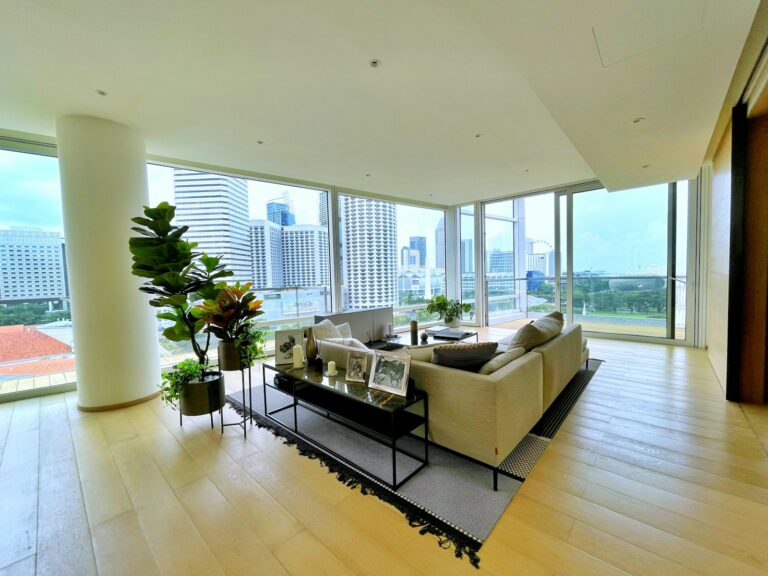
Hardwood is the stronger choice for living and dining rooms in most residential contexts. These spaces are where buyers form their first and most lasting impressions of a home. The warmth of wood grain in a living room communicates a quality that tile simply cannot replicate in that context, regardless of how beautiful the tile pattern is. Traffic levels in living rooms are generally moderate, and the moisture risk is negligible — both conditions favor hardwood.
Kitchens
Kitchens sit in the middle of this debate. Both materials perform well here with proper care. Tile offers clear advantages in water resistance and ease of cleaning around cooking areas. Hardwood brings warmth to what is increasingly the social center of the home. The choice often comes down to aesthetic priority and willingness to manage moisture discipline. If the kitchen opens into a living or dining area with hardwood, continuing the wood through the kitchen creates a cohesive flow that many designers prefer. For homeowners weighing this decision, understanding the full range of the best tile options for kitchens helps define what the tile route actually looks like at various price points.
Bathrooms
Tile is the default answer for bathrooms, and that default exists for good reason. Consistent moisture, standing water around toilets and tubs, steam from showers — this environment will degrade hardwood over time regardless of how diligent the maintenance is. Porcelain tile rated for wet areas is the appropriate specification here.
Bedrooms
Hardwood is almost universally the better choice for bedrooms. The comfort underfoot in the morning, the acoustic warmth, the visual contribution to a restful environment — all of these favor wood. Moisture is essentially a non-factor in a bedroom. Buyers consistently rank hardwood bedrooms as a positive feature, making it a smart investment in rooms where it performs well and costs no more than tile to install.
Basements and Below-Grade Spaces
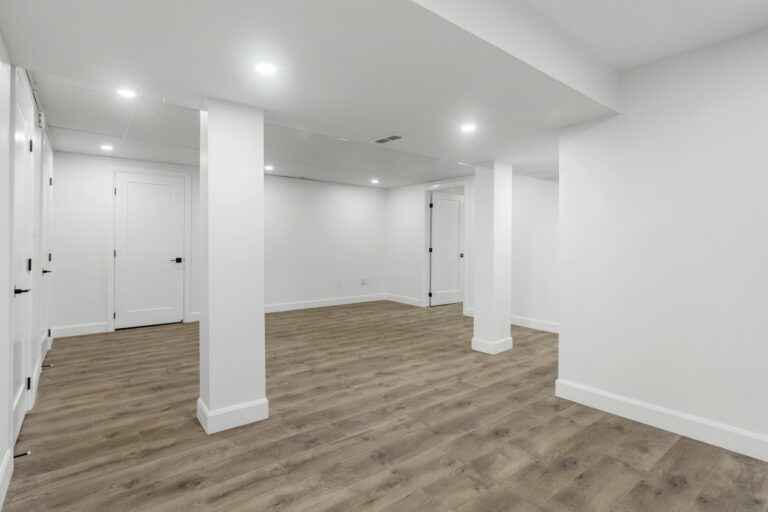
Tile is the correct answer for below-grade installations almost without exception. Moisture migration through concrete slabs is a persistent risk even in ostensibly dry climates, and solid hardwood over a basement slab carries genuine long-term risk. If the visual warmth of wood is important in a basement space, wood-look porcelain tile achieves that aesthetic without the moisture vulnerability.
High-Traffic Commercial or Entry Areas
Entryways and mudrooms see the most abrasive traffic in a home — grit tracked in on shoes acts like sandpaper on any floor surface. Tile outperforms hardwood here in resistance to this type of wear. In commercial applications, the calculus shifts further toward tile or hard-wearing luxury vinyl, as the volume of foot traffic exceeds what domestic hardwood finishes are designed to handle.
The Environmental Dimension
Hardwood from responsibly managed forests carries a legitimate sustainability credential — it is a renewable resource, biodegradable, and can be refinished rather than replaced, reducing total material consumption over its lifetime. Look for FSC (Forest Stewardship Council) certification when purchasing to confirm responsible sourcing.
Ceramic and porcelain tile is made from abundant natural materials (clay, feldspar, silica), but the firing process is energy-intensive. Natural stone tile carries a significant quarrying footprint. Neither tile option is clearly superior or inferior to hardwood on environmental grounds — both have trade-offs that depend on sourcing, production method, and transportation distance.
The Maintenance Reality Over Time
Daily maintenance for both floors is straightforward — sweep or vacuum regularly, clean spills promptly, use appropriate cleaners. The divergence comes in the periodic maintenance requirements.
For hardwood, the most important periodic task is refinishing. When the surface shows wear, dulling, or shallow scratches, a screen-and-recoat (a light buff and fresh topcoat without full sanding) can refresh the floor for a fraction of the cost of a full sand-and-refinish. Deep scratches, stains, or structural wear require the full refinishing process. For those managing their own wood floors, a thorough resource on how to make hardwood floors shine between professional refinishing cycles is useful.
For tile, the grout is the primary maintenance concern. Grout should be sealed at installation and re-sealed annually in high-use areas. Stained grout can sometimes be cleaned with appropriate products; severely stained or cracked grout requires regrinding and regrouting — a labor-intensive process. Keeping grout lines clean from the beginning is significantly easier than remediation after years of neglect. For kitchens and other high-use areas, specifying epoxy grout at installation gives a more durable, stain-resistant joint than cement grout.
Making the Decision: A Framework
Rather than a definitive winner, this comparison is more usefully framed as a decision matrix. Ask these questions about each room:
Is moisture a primary environmental condition? If yes — bathroom, laundry, mudroom — tile is the appropriate material. If moisture exposure is incidental and manageable, hardwood becomes a viable option.
How important is underfoot comfort and acoustic warmth? For bedrooms and living areas where you spend time barefoot, hardwood’s thermal and acoustic qualities contribute meaningfully to daily comfort.
What is the buyer profile if you intend to sell? Premium buyers in most markets respond more favorably to hardwood in living spaces. Practical buyers in all markets expect tile in wet areas.
What is the subfloor condition? Tile demands a rigid, level, crack-free substrate. If your subfloor needs significant work, that cost must factor into the tile installation budget. Hardwood, particularly floating engineered hardwood, is more forgiving.
What is your tolerance for maintenance commitments? Tile requires grout discipline. Hardwood requires moisture discipline and periodic refinishing. Neither is maintenance-free — they just require different types of attention.
For homeowners still working through the broader flooring selection process, having a full picture of what hardwood flooring involves — from species selection through installation and long-term care — is a reasonable starting point. The hardwood flooring buying guide consolidates that information into a single reference. And for those on the tile side of the equation, the equivalent resource at the tile flooring buying guide covers specifications, grades, and what to look for when comparing products.
Bottom Line
Hardwood flooring and tile flooring are not competing for the same spaces — at least not in a well-designed home. They are complementary materials that each excel in specific contexts. Hardwood belongs in the living room, the bedroom, the dining room, and the hallway. Tile belongs in the bathroom, the laundry room, the mudroom, and — in many cases — the kitchen. Treating this as a whole-home binary choice misses the point of what each material does well.
The homes that age best and sell fastest are usually the ones where these materials are used with intention — not the ones where a single flooring type was run through every room for the sake of consistency. Match the material to the function of the space, account for your lifestyle and maintenance habits, and both hardwood and tile will serve you well for decades.
If you are ready to get specific about your project, the team at Flooring Contractors San Diego can walk you through both options in the context of your specific rooms, subfloor conditions, and budget.
James Miller is a seasoned flooring contractor with years of hands-on experience transforming homes and businesses with high-quality flooring solutions. As the owner of Flooring Contractors San Diego, James specializes in everything from hardwood and laminate to carpet and vinyl installations. Known for his craftsmanship and attention to detail, he takes pride in helping clients choose the right flooring that balances beauty, durability, and budget. When he’s not on the job, James enjoys sharing his expertise through articles and guides that make flooring projects easier for homeowners.
15 Waterproof Vinyl Flooring Ideas for Every Room in Your Home Waterproof vinyl flooring has quietly become one of the most transformative product categories in the flooring industry. Not long ago, “waterproof” was a marketing claim that meant little more than surface-level resistance to the occasional spill. Today, it describes a fundamentally different type of…
Basements are where most flooring decisions go wrong. Homeowners fall in love with a species at the showroom, bring it below grade, and watch it cup, gap, or grow mold within a single heating season. The problem is not the wood itself. The problem is a mismatch between what the material tolerates and what a…
The reason most vinyl flooring installations fail has nothing to do with the vinyl itself. It has everything to do with what happens before a single plank is ever laid down. Concrete subfloors are deceptive. They look solid, flat, and ready. But a concrete slab is a porous, living material that absorbs and releases moisture,…
13 Grey Carpet Flooring Ideas That Actually Work in Every Room Grey carpet is one of those flooring choices that divides people right down the middle. Half the room says it is cold, uninspiring, the safe default for people who cannot make a decision. The other half knows something the skeptics do not: grey carpet…
A gap in laminate flooring is a visible separation between two adjacent planks — a space where the locking joints have either partially disengaged or failed to close flush. This is not a surface crack or a scratch. The gap runs along the seam between planks, and it can appear mid-floor, along rows, or near…
What the Janka Scale Actually Tells You — and What It Doesn’t Every hickory vs. oak flooring discussion eventually circles back to the Janka hardness test, which measures the force required to embed a steel ball halfway into a wood sample. Hickory scores 1820 lbf, making it one of the hardest domestic hardwoods on the…